50% of iPhones Brought to Genius Bar Have Never Been Synced
Fifty percent of iPhone owners who have iPhones swapped at the Genius Bar have never plugged them into a computer to backup or sync. That's according to a "little birdie" that former Macworld Associate Editor David Chartier (now at AgileBits) knows. It also suggests iCloud will save a lot of headaches and lost data.
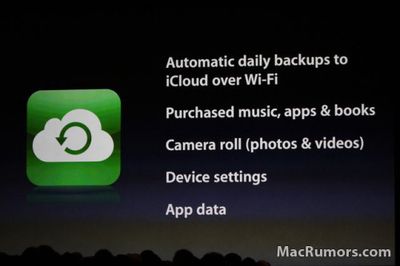
This is a big reason, according to this birdie, for why Apple Store Geniuses are excited about iCloud.
Backupophobes can get away with never touching iTunes after activating an iOS device. But folks obviously need to plug them into some kind of power source to recharge which, combined with a reachable WiFi network, is what triggers iCloud's automatic backup feature. Sure, these customers can manually reinstall apps one by one from the store, but they have no way to recover any of their data or media purchased on the device. That holds true for contacts, too, if users didn't sign up for MobileMe or even Google's free (and, in my experience, terrible) contact sync.
Apple's iCloud, with automated wi-fi sync and instant backup to the cloud will be a welcome feature for those millions who never sync or backup their current iOS devices.
Popular Stories
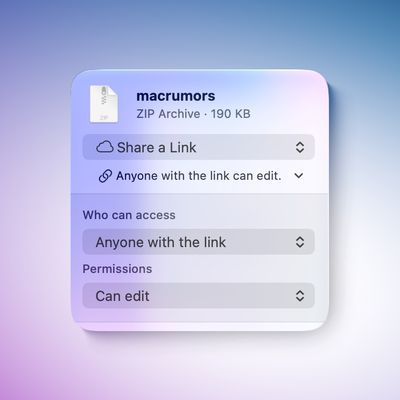
Apple says it will start checking public iCloud links for harmful content in iOS 27.3, iPadOS 27.3, macOS 27.3, and visionOS 27.3.
Images in iCloud Photos and files in iCloud Drive shared using the "Anyone with the link" option will be "made accessible to Apple" for a content check. Apple doesn't define harmful content, but it could mean malware, malicious files, and/or child sexual abuse...
Apple continues to advise customers that certain Apple Intelligence features that rely on its server-side Private Cloud Compute system have daily usage limits, with expanded access to such features to be "available for a fee in the future."
Apple has repeatedly mentioned these upcoming fees in press releases over the past several months, but it has yet to provide any specific details about...
Apple has made a change to its development process for iOS 28, macOS 28, and corresponding software updates, according to Bloomberg's Mark Gurman.
In his Power On newsletter today, he said Apple separates development of each year's new operating systems into three major stages. Typically, he said each stage consists of four weeks of coding followed by a four-week "convergence" period where...