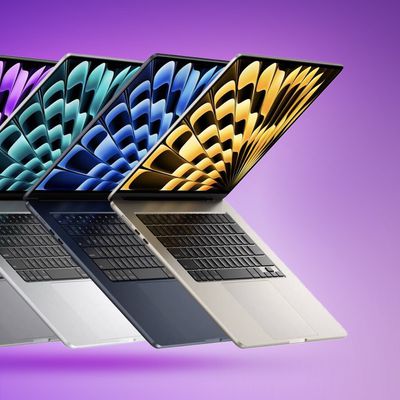
Aside from the "all-day" battery life that comes alongside the upgrade to Intel's Haswell processors in the new MacBook Air, one of the other major improvements is the adoption of PCIe-based flash storage for much faster performance. The new PCIe flash will also be coming to Apple's radically redesigned Mac Pro later this year, and undoubtedly other Macs as well.
Available in capacities up to 512GB, this next-generation flash storage is up to 9x faster than a traditional 5400-rpm notebook hard drive. And it’s up to 45 percent faster than the flash storage in the previous-generation MacBook Air. So when you flip open MacBook Air, it’s ready to go right away. Even after a month in standby mode, the screen springs to life.
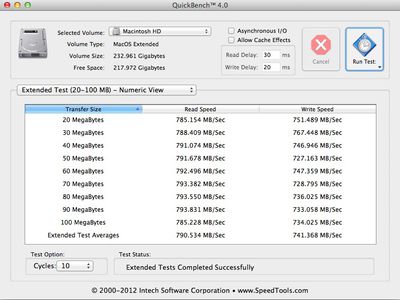
AnandTech has taken a closer look at flash storage performance and other benchmarks in the new MacBook Air, finding that read/write speeds are approaching 800 MB/s.
The drive in my system uses a Samsung controller, although I've heard that SanDisk will have a PCIe solution for Apple as well. A quick run through Quick Bench reveals peak sequential read/write performance of nearly 800MB/s.
This is a pretty big deal, as it is probably the first step towards PCIe storage in a mainstream consumer device that we've seen.
Beyond battery life and flash storage enhancements and the shift to Haswell, Apple's new MacBook Air brings several other enhancements as well, including faster 802.11ac Wi-Fi and dual microphones for reducing background noise.
Bloomberg's Mark Gurman has high expectations for Apple's first foldable iPhone.
In his Power On newsletter today, he said the foldable iPhone will be "the most significant overhaul in the iPhone's history."
"iPhone 4, iPhone 6 and iPhone X were clearly a big deal, but this is a whole new design," he said.
Like Samsung's Galaxy Z Fold 7, the foldable iPhone will reportedly open up like ...
iOS 26.5 is now available for developers, and while it doesn't include any new Siri capabilities, there are some major changes for the European Union, and smaller tweaks for features available worldwide.
Suggested Places
In the Maps app, there's a new "Suggested Places" feature that recommends locations to visit based on trending places nearby and recent searches. When Apple launches ads in ...
Tuesday March 31, 2026 10:36 am PDT by Joe Rossignol
Apple today added the MacBook Air (13-inch, 2017) to its "vintage" products list, meaning the device is now only eligible for repairs at Apple Stores and Apple Authorized Service Providers if parts remain available.
The MacBook Air (13-inch, 2017) was the final MacBook Air model released before Apple redesigned the laptop and gave it a Retina display in 2018.
Apple also added all iPad...
Wednesday March 4, 2026 6:17 am PST by Juli Clover
Apple is now accepting pre-orders for all of the new products that it announced this week. Everything can be ordered from the online Apple Store following the debut of the new low-cost MacBook earlier this morning, with deliveries starting on Wednesday, March 11.
Here's a list of what you can order now, with pricing details included.
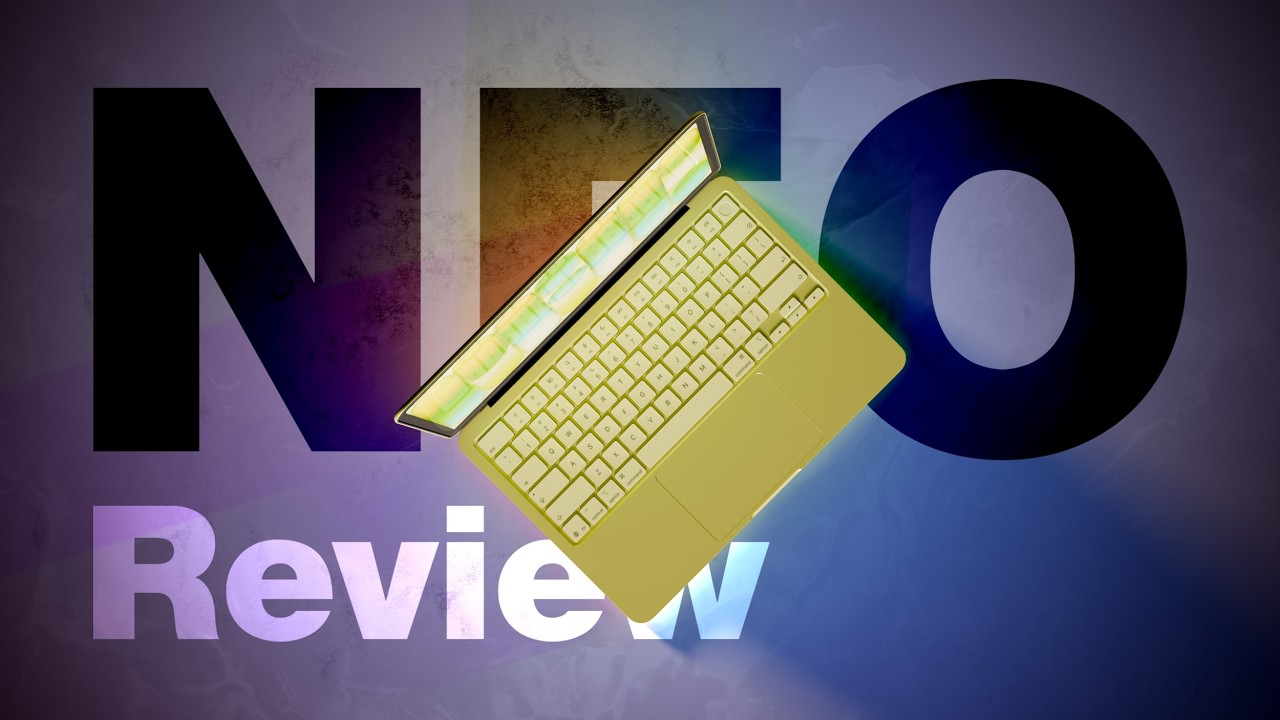
MacBook Neo - The 13-inch MacBook Neo has an A18 Pro...
Wednesday March 4, 2026 4:55 pm PST by Joe Rossignol
None of the new MacBook Neo, MacBook Air, or MacBook Pro models unveiled this week come with a charger in the UK and EU countries, such as Germany, France, Italy, and Spain. This change began with the base 14-inch MacBook Pro last year.
If you need a power adapter, you must purchase one separately during checkout or later.
In all other countries, Apple includes a charger in the box with...
We now know how much faster the new MacBook Air with the M5 chip is compared to the previous model with an M4 chip, courtesy of a Geekbench 6 result shared by TechRadar's Lance Ulanoff. However, given the 14-inch MacBook Pro and the iPad Pro were already updated with the M5 chip last year, the result is not too surprising.
Ulanoff ran Geekbench on a MacBook Air with an M5 chip, which has a...
I disagree with complaints out there that the MBA upgrades were optimized primarily for battery life, and not performance. As an example, the clock speeds were lowered to further extend battery life - keeping Geekbench performance roughly on par with last year's machines rather than providing the standard 20% improvement.
For one thing, this new Flash architecture isn't something to sneeze at.
But more importantly, I bet you anything the rMBP's are where they will look more to performance. Which only makes sense, as it would continue differentiating the two lines.
And if that's the case, going all-in for battery life is the right decision for their consumer-grade notebooks.
As an aside - 9to5mac anecdotally reports double the battery life on a 2008 MBP running Mavericks. Imagine combining those OS gains with the new Haswell machines!!!


 Aside from the "all-day" battery life that comes alongside the upgrade to Intel's Haswell processors in the new MacBook Air, one of the other major improvements is the adoption of PCIe-based flash storage for much faster performance. The new PCIe flash will also be coming to Apple's radically redesigned Mac Pro later this year, and undoubtedly other Macs as well.