DisplayPort 2.0 Now Compatible With USB4, Supports Up to Two 8K Displays or One 16K Display
VESA today announced that it has released DisplayPort Alt Mode 2.0, paving the way for future USB4 devices to support DisplayPort 2.0.

Announced in June 2019, DisplayPort 2.0 has a max effective bandwidth of 77.4 Gbps, nearly triple that of DisplayPort 1.4. The new standard enables support for displays with up to 16K resolution, higher refresh rates, HDR support at higher resolutions, improved support for multiple display configurations, and more.
USB4 converges the Thunderbolt and USB protocols as part of Intel's goal to make Thunderbolt available on a royalty-free basis, which should result in wider and cheaper availability of Thunderbolt accessories like docks and eGPUs.
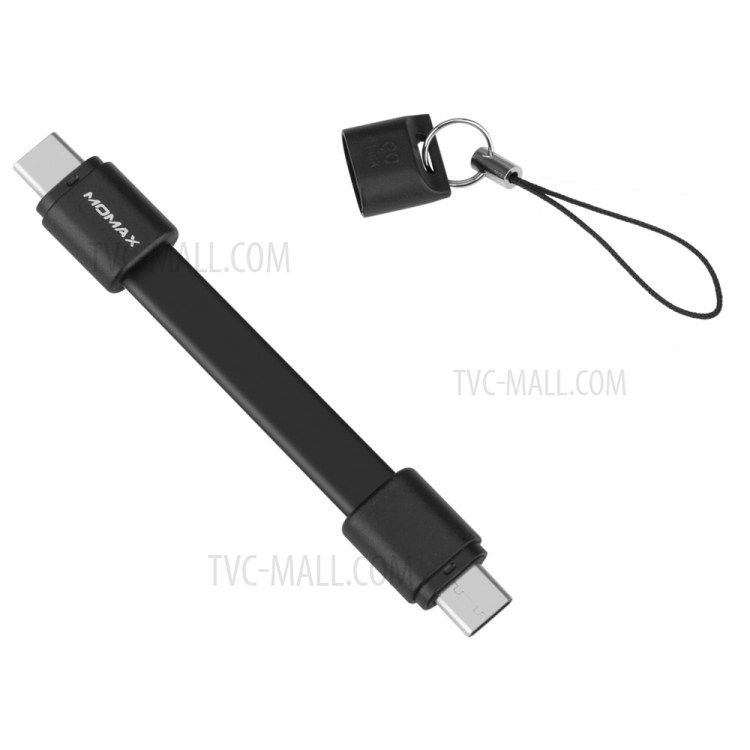
USB4 uses the USB-C connector design and is backwards compatible with USB 3.2 and USB 2.0.
Apple will likely adopt USB4 in future Macs. VESA expects the first products incorporating DisplayPort Alt Mode 2.0 to appear on the market in 2021.
Popular Stories
When the iPhone Duo launched, we shared a list of some of the fun apps developers created for the new form factor. Two weeks out, developers are continuing to come up with fresh ideas, so we thought we'd share some of our favorites.
Games
Marbles Unhinged ($2.99) - Marbles Unhinged is a marble maze designed for the Duo. When you fold it, the floor turns into a ramp. If you stand the top...
Apple is launching five new products on Friday, November 6, following pre-orders that opened last week, including its first touchscreen MacBook Pro models.
The following new products will be available from today:
iPad mini with OLED display and A20 Pro chip
iMac with M6 chip
14-inch MacBook Pro with M6 chip
14-inch MacBook Pro with OLED touchscreen
16-inch MacBook Pro with OLED...
Apple has made a change to its development process for iOS 28, macOS 28, and corresponding software updates, according to Bloomberg's Mark Gurman.
In his Power On newsletter today, he said Apple separates development of each year's new operating systems into three major stages. Typically, he said each stage consists of four weeks of coding followed by a four-week "convergence" period where...