Intel Foundries Able to Produce ARM-Based Chips Under New Licensing Deal
At today's Intel Developer Forum, Intel announced a new licensing deal with ARM, which will see Intel taking advantage of ARM technology in an effort to attract more manufacturing companies to its factories.
Under the terms of the deal, Intel plans to allow third-party semiconductor companies to use its 10-nanometer production lines for manufacturing ARM-based chips for smartphones, expanding the production options available to companies like Apple.
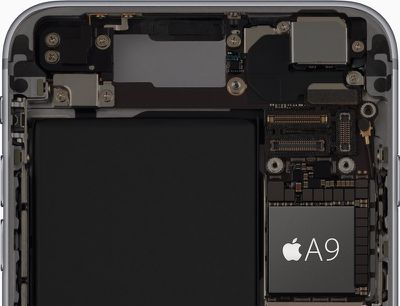
Apple currently produces custom-designed ARM-based chips that are manufactured by companies like Taiwan Semiconductor Manufacturing Co. (TSMC), but with Intel and ARM's new licensing deal, Apple (and other manufacturers) could potentially use Intel to fabricate its chips.
LG Electronics has already inked a deal with Intel and will use Intel's foundry business to manufacture 10-nanometer chips for future LG devices. It is not clear if Apple will strike a deal with Intel, as rumors suggest Apple already has an agreement in place with TSMC to produce 10-nanometer A11 chips destined for the 2017 iPhone and other 2017 devices, but the possibility exists for future chips.
TSMC is also said to be the sole manufacturer of the A10 chip that will be used in the upcoming iPhone 7 and iPhone 7 Plus.
Popular Stories
When the iPhone Duo launched, we shared a list of some of the fun apps developers created for the new form factor. Two weeks out, developers are continuing to come up with fresh ideas, so we thought we'd share some of our favorites.
Games
Marbles Unhinged ($2.99) - Marbles Unhinged is a marble maze designed for the Duo. When you fold it, the floor turns into a ramp. If you stand the top...
Apple is launching five new products on Friday, November 6, following pre-orders that opened last week, including its first touchscreen MacBook Pro models.
The following new products will be available from today:
iPad mini with OLED display and A20 Pro chip
iMac with M6 chip
14-inch MacBook Pro with M6 chip
14-inch MacBook Pro with OLED touchscreen
16-inch MacBook Pro with OLED...
Apple has made a change to its development process for iOS 28, macOS 28, and corresponding software updates, according to Bloomberg's Mark Gurman.
In his Power On newsletter today, he said Apple separates development of each year's new operating systems into three major stages. Typically, he said each stage consists of four weeks of coding followed by a four-week "convergence" period where...