New York City Plans to Replace Transit MetroCard With Electronic Card Readers That Support Apple Pay
New York City is planning to replace its existing MetroCard transit payment system with electronic card readers that will allow New Yorkers to pay their subway and bus fares using Apple Pay, reports The New York Times.
A committee of the Metropolitan Transportation Authority this morning approved a $573 million contract for a payment system that mirrors the one in use for the London Underground and commuter railroads in London.

Starting in late 2018, NFC-based electronic readers will be installed in 500 subway turnstiles and 600 buses, with rollout expanding to all subway stations and buses by late 2020. Apple Pay, Android Pay, and Samsung Pay will work with the new system, as will contactless credit and debit cards that have an embedded NFC chip.
While the new system will replace the MetroCard, New York City will not phase out MetroCards entirely until 2023. Until then, the two systems will co-exist.
Popular Stories
The UK's competition regulator has proposed changes to make it easier and cheaper for companies to offer alternatives to Apple Pay on the iPhone (via Reuters).
The Competition and Markets Authority (CMA) says Apple's fees and restrictions make it too difficult for rivals to launch contactless payment apps. Its proposals would give developers more ways to access the iPhone's NFC technology,...
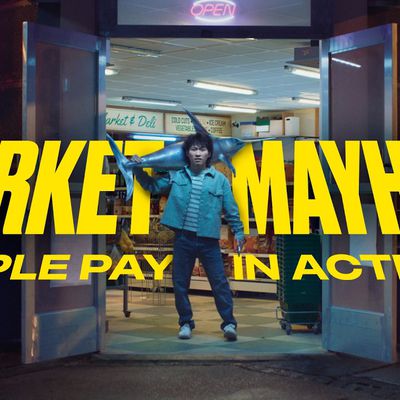
Apple today shared a humorous new Apple Pay ad that promotes the benefit of the on-device payment option over cash and physical cards.
The spot features a martial-arts-style food fight where a man runs into a convenience store to grab a weapon. He's followed by the other combatants, and everyone involved grabs a different food or beverage to fight with.
The cashier makes everyone stop to...
Apple has made a change to its development process for iOS 28, macOS 28, and corresponding software updates, according to Bloomberg's Mark Gurman.
In his Power On newsletter today, he said Apple separates development of each year's new operating systems into three major stages. Typically, he said each stage consists of four weeks of coding followed by a four-week "convergence" period where...