iPhone SE 2 Might Actually Be Called the iPhone 9
The widely rumored "iPhone SE 2" might actually be named the iPhone 9, according to an "informed source" cited by Japanese blog Mac Otakara.
The report reiterates that the device will have a similar form factor as the iPhone 8, including a 4.7-inch display with bezels and a Touch ID home button, but with a faster A13 Bionic chip. 3GB of RAM is also expected. Like the original iPhone SE, the device is not expected to support 3D Touch.
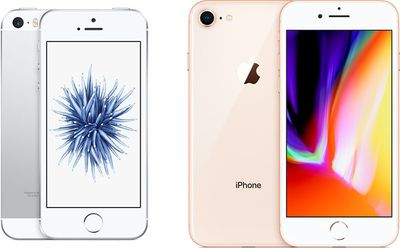
iPhone 9 would certainly be a more fitting name for the device given it sounds like more of an iPhone 8 successor than an iPhone SE successor. With a 4.7-inch display, the new device would be larger than the original iPhone SE with a 4-inch display, disappointing those who prefer a smaller phone.
The lower-cost iPhone, whatever it ends up being named, will likely start around $399 with 64GB of storage, and come in Space Gray, Silver, and Red, according to reputable Apple analyst Ming-Chi Kuo. Multiple reports have indicated the device will be released by the end of the first quarter of 2020.
The original iPhone SE was introduced at an Apple event in March 2016, so a March 2020 release is certainly possible for this next device.
Popular Stories
When the iPhone Duo launched, we shared a list of some of the fun apps developers created for the new form factor. Two weeks out, developers are continuing to come up with fresh ideas, so we thought we'd share some of our favorites.
Games
Marbles Unhinged ($2.99) - Marbles Unhinged is a marble maze designed for the Duo. When you fold it, the floor turns into a ramp. If you stand the top...
Apple is launching five new products on Friday, November 6, following pre-orders that opened last week, including its first touchscreen MacBook Pro models.
The following new products will be available from today:
iPad mini with OLED display and A20 Pro chip
iMac with M6 chip
14-inch MacBook Pro with M6 chip
14-inch MacBook Pro with OLED touchscreen
16-inch MacBook Pro with OLED...
Apple has made a change to its development process for iOS 28, macOS 28, and corresponding software updates, according to Bloomberg's Mark Gurman.
In his Power On newsletter today, he said Apple separates development of each year's new operating systems into three major stages. Typically, he said each stage consists of four weeks of coding followed by a four-week "convergence" period where...