HomePod 15.1 Beta Adds Lossless Audio and Dolby Atmos Support
Alongside the iOS 15.1 beta, Apple has also introduced a HomePod 15.1 beta that brings Lossless and Dolby Atmos Spatial Audio support to the HomePod and the HomePod mini.
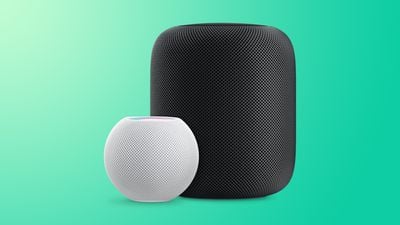
The HomePod beta software is invite only and is not provided to developers for testing purposes, but 9to5Mac was able to confirm that Lossless and Spatial Audio support are included in the beta.
Apple added Dolby Atmos with Spatial Audio and Lossless support to iOS and Mac devices in May, but promised that the feature would be coming to the HomePod and HomePod mini at a later time.
Lossless Audio and Dolby Atmos can be enabled through the Home app. Open up Home Settings, tap on your profile, and then under Media, tap on Apple Music. From there, toggle on Lossless Audio and Dolby Atmos. Note that these options appear in the iOS 15.1 beta, but the HomePod 15.1 beta seems to be needed to actually use the features on the HomePod.
If all goes well, these features should launch with the HomePod 15.1 software that is set to be released alongside iOS 15.1. Since the iOS 15.1 was just provided to developers today, we likely have several weeks of testing to go.
Popular Stories
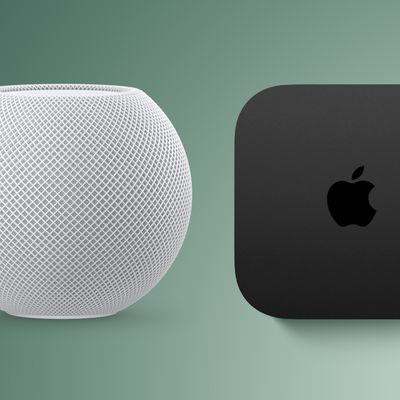
The rumor that never ends: Bloomberg's Mark Gurman today reiterated that new Apple TV and HomePod mini models with Siri AI support remain on track to launch this year.
Other new products he expects this year: an all-new Apple home hub, an updated entry-level 14-inch MacBook Pro with an M6 chip, an iMac with an M6 chip, and an iPad mini with an OLED display. Apple often announces new products...
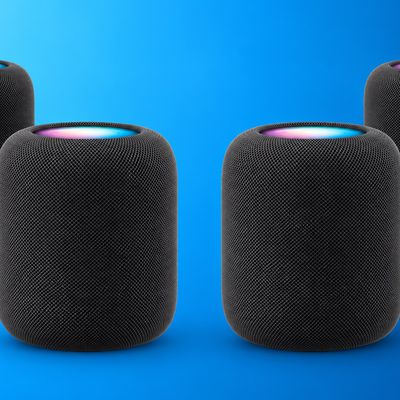
Apple appears to be working on some major new HomePod home theater features, including a four-speaker surround sound system and a new "Party Mode," according to code found in audioOS 27 beta 8, and shared on the MacRumors forums by member pdfu.
References in the software for the second-generation HomePod suggest the ability to tune for a setup with front-left, front-right, rear-left, and...
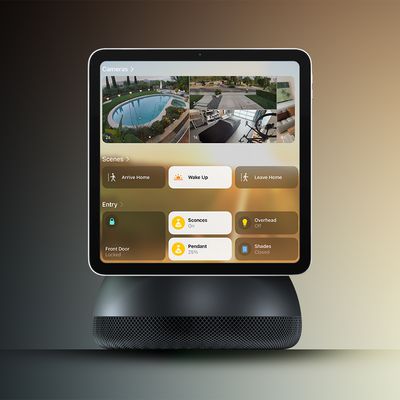
Apple remains on track to launch its first smart home device with a screen before the end of the year, according to Bloomberg's Mark Gurman.
Gurman reiterated that the device will use facial recognition to determine who is standing in front of it and serve up personalized content for that individual user. The description lines up with code found in macOS Tahoe 26.7 earlier this week, which...