A16 Bionic Chip in iPhone 14 Reportedly Set to Be Based on '4nm' Process [Updated] - MacRumorsOpen MenuShow RoundupsShow Forums menuVisit ForumsOpen Sidebar
Skip to Content

A16 Bionic Chip in iPhone 14 Reportedly Set to Be Based on '4nm' Process [Updated]

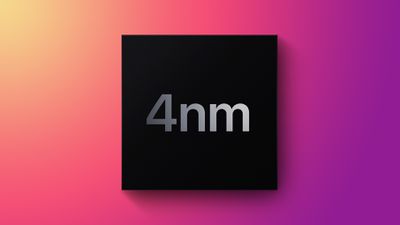
The chip powering the next-generation iPhone will reportedly be based on a "4nm" process, an even smaller process compared to the 5nm process used in the iPhone 12 and iPhone 13 lineups, according to a paywalled preview of an upcoming report from DigiTimes.
m1 4nm feature2
Last year, Apple adopted a 5nm process with the A14 Bionic chip in the latest iPad Air and the iPhone 12 lineup. With the iPhone 13, it used an enhanced iteration of the 5nm process. For the iPhone 14, the report claims Apple and its chipmaking partner TSMC are looking to adopt a "4nm" process for the A16 Bionic, the likely name for the chip powering the next-generation iPhone.

A smaller process reduces a chip's physical footprint and offers improved performance and enhanced energy efficiency. A report yesterday by The Information claimed that TSMC and Apple are facing technical challenges in producing a 3nm chip, possibly being a reason the iPhone 14 will feature a "4nm" process instead.

Separate reports from earlier in the year have suggested that Apple has booked all of TSMC's production capacity for the ‌3nm‌ process, which could instead debut in the iPhone 15 and next-generation Apple silicon Mac computers in several years.

With the iPhone 13 and iPhone 13 Pro already released, we now await what Apple has in store for the iPhone 14. While we're still a little under a year away from its launch, rumors suggest that the iPhone 14 will feature one of the most significant iPhone redesigns of the past several years. Get caught up on the latest rumors about Apple's next-generation iPhone using our roundup.

Update: While the ‌DigiTimes‌ report said "Apple will likely adopt TSMC's 4nm process," TSMC refers to the process as "N4P" and describes it as a "third major enhancement of TSMC's 5nm family."
Related Forum: iPhone

Popular Stories

Oled iPads and MackBook Pro Notch

5 Apple Products to Get OLED Displays

Thursday August 20, 2026 6:50 am PDT by
Apple plans to upgrade several iPads and Macs with OLED displays over the next three years, according to a new DigiTimes report. The following five devices will receive OLED displays between 2026 and 2029, according to the Taiwanese publication's industry sources:iPad mini: 2026 MacBook Pro: Late 2026 or early 2027 iPad Air: 2027 iMac: 2028 or 2029 MacBook Air: 2028 or 2029OLED...
iOS 27 Next to iPhone

Here's When iOS 27 Rolls Out Today in Every Time Zone [Update: It's Out]

Sunday September 13, 2026 3:00 am PDT by
Update 10:04 a.m.: iOS 27 is rolling out now, though it may take a bit for all users to see it, so keep checking! Apple is about to release iOS 27, which will finally deliver more advanced Siri AI capabilities as well as a variety of other refinements, improvements, and new features to iPhones. It's Apple's biggest software update of the year, and Apple announced at Wednesday's iPhone event...
iOS 27 Icon iPhone

iOS 27 Available Now With These 8 New Features

Monday September 14, 2026 9:00 am PDT by
Update — 10 a.m. Pacific Time: Apple has released iOS 27. During its iPhone 18 Pro and iPhone Duo event last week, Apple announced that iOS 27 will be released widely on Monday, September 14. iOS 27 should be available around 10 a.m. Pacific Time / 1 p.m. Eastern Time today via the Settings app, under General → Software Update. Below, we have highlighted eight new features and...

Top Rated Comments

slplss Avatar
64 months ago
Getting closer to 0nm.
Score: 37 Votes (Like | Disagree)
cihag Avatar
64 months ago

rumors suggest that the iPhone 14 will feature one of the most significant iPhone redesigns of the past several years.
Hmm, back to curves instead of flat edges, I guess?
Score: 19 Votes (Like | Disagree)
64 months ago
A4 was 45nm from 45 to 4 in 12 years. or 45 to 5 in 10. Freaking remarkable.
Score: 18 Votes (Like | Disagree)
64 months ago
Hate to burst everyone's bubble but there is nothing on these chips that is actually 4nm in dimensions just like the current 5-6-7nm processes that every chip manufacturer is making. It's all a historical node naming convention.
Score: 17 Votes (Like | Disagree)
64 months ago

I still don’t understand what is 5 mm. The chip? The tools that made the chip?
Nothing is 5nm. It's a naming convention that hasn't been reality for multiple generations of computer chips.
Score: 13 Votes (Like | Disagree)
WWPD Avatar
64 months ago

What happens next? 1nm and then what?
Bio-neural gel packs.
Score: 13 Votes (Like | Disagree)