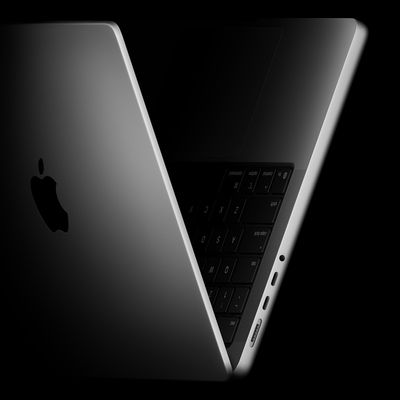
Apple's expected switch to OLED for the MacBook Pro will help accelerate a sharp decline in mini-LED laptop displays, with annual panel shipments forecast to fall roughly 75% between 2025 and 2027, according to Counterpoint Research.

Apple's MacBook Pro models have used mini-LED displays since 2021, but Counterpoint expects notebook panel shipments using the technology to drop 38% in 2026 and another 60% in 2027. Those consecutive declines would leave shipments at approximately a quarter of their 2025 level.
OLED is heading in the opposite direction. Notebook OLED panel shipments are projected to grow 50% this year and 24% next year, amounting to an 86% increase over 2025. Counterpoint identifies the anticipated OLED MacBook Pro and demand for premium AI PCs as drivers, even as the overall notebook display market is expected to shrink 3% in 2026.
The forecast points to a rapid change in manufacturers' display choices. Counterpoint says OLED's thinner profile, image quality, and improving cost competitiveness are encouraging adoption, with tandem OLED designs and larger production facilities supporting further growth.
For MacBook Pro users, the display transition is also expected to bring touch input to the Mac for the first time. Samsung Display is reportedly the exclusive supplier of the new 14-inch and 16-inch OLED touch panels, manufactured on its 8.6-generation line in Asan, South Korea, according to The Elec.
Apple is expected to unveil the OLED MacBook Pro models on Wednesday, October 28 at its "Pro and tell" media experience in Los Angeles. According to Bloomberg's Mark Gurman, the laptops will be significantly lighter and replace the display notch with a Dynamic Island.
The OLED models are expected to sit above the existing mini-LED versions initially, giving buyers a choice during the transition. Gurman says Apple will eventually discontinue the mini-LED models, although the new OLED machines could carry starting prices up to $500 higher.