Apple released iOS 27 this week, and despite the company's focus this year on refining its flagship operating system and nixing bugs, there are still many additional features to explore, not least of which is Apple's new context-aware Siri, re-tooled for the generative AI era.

This year's major iPhone software update isn't all about AI, though, as the following feature list testifies. iOS 27 is available now on supported iPhone models as a free update, and can be downloaded from the Settings app, via General ➝ Software Update.
Extend Your Photos and Lock Screen Wallpaper
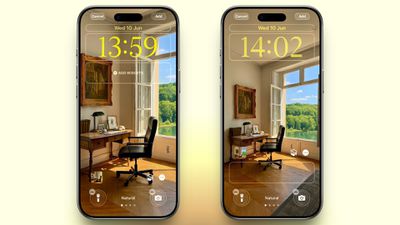
A new wallpaper extension feature in iOS 27 uses Apple Intelligence to automatically expand a photo beyond its original boundaries so it fills the entire Lock Screen more naturally. If a photo is cropped too tightly, doesn't match your iPhone's aspect ratio, or it leaves empty space when positioned on the Lock Screen, iOS 27 can generate additional image content around the edges with the "Extend" option. It will analyze the existing image and create matching background details that blend with the original photo, so there's no need for aggressive cropping. The Extend option can also be found in the Photos app.
Organize Your Safari Tabs
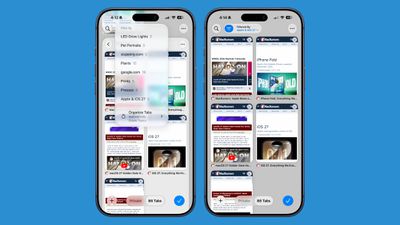
Safari uses Apple Intelligence to automatically organize your open tabs into related topics, making them easier to browse and manage. For example, if you're shopping for a new refrigerator while planning a vacation, Safari groups tabs for each activity into separate topic-based collections. You can enable this feature by opening Tab View, tapping the three-line icon in the top-right corner, and turning on Automatically Create Topics.
Use Natural Language for Reminder and Calendar Entries
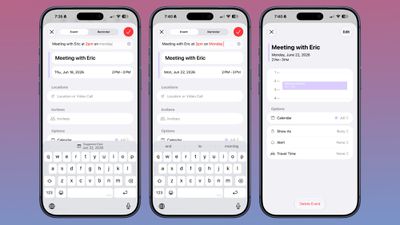
In the Reminders app, you can now create reminders using natural language, and Apple Intelligence will automatically fill in details such as the date, time, and location. For example, if you type "Pick up Dad at 6 p.m. tonight" or "Send the photos to Eric tomorrow at 3 p.m.," Reminders extracts the relevant information and adds it to the reminder automatically.
The Calendar app also supports natural language input, identifying people, dates, and locations as you type. You can then tap the suggested information to quickly add it to your event.
Inline Reply to Messages From Android Users
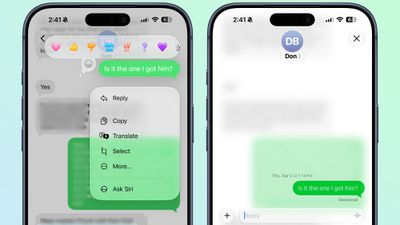
In the Messages app, you can now long press on a specific message from an Android user (a green chat bubble) and get an option to reply to it. That contrasts with iOS 26, where inline replies are limited to blue bubbles sent over Apple's iMessage platform.
Upgrade Your Wallet Passes
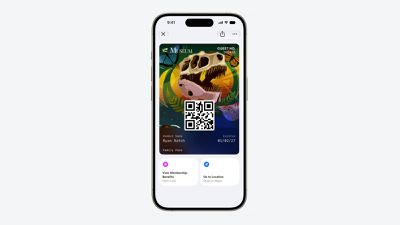
Apple has expanded the redesigned pass experience in the Wallet app with iOS 27, bringing the enhanced design introduced for airline boarding passes in iOS 26 to additional pass types. Membership, gift, loyalty, and rewards cards can now use a new Poster Generic layout with a background image, a logo, customizable header and footer fields, main information, and an optional barcode. Passes can also include up to two quick actions at the bottom, such as getting directions to a venue or checking a rewards points balance.
Describe Your Next Shortcut
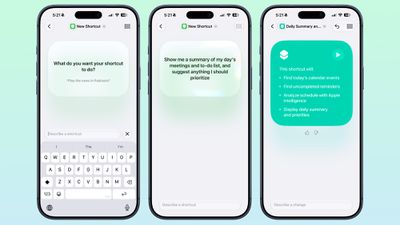
Apple Intelligence makes creating shortcuts much more accessible by letting you build them with natural language. Tapping New Shortcut in the Shortcuts app opens a Describe a Shortcut interface, where you simply explain what you want the shortcut to do. You can describe a single action or a more complex automation, and Apple Intelligence selects the appropriate actions and assembles the shortcut automatically.
For example, you could create a shortcut that sets tomorrow's alarm based on your first Calendar event, enables Sleep Focus, and dims the bedroom lights each evening, or one that displays your first meeting, the weather, and today's reminders every morning. Like existing shortcuts, these automations can be triggered by factors such as the time of day, your location, app activity, system events like taking a screenshot, incoming notifications, and more.
Get a Better Flyover of Your City

Apple is enhancing the Flyover feature in Maps with iOS 27, using Apple Intelligence models to improve aerial imagery with greater texture and sharper detail. Trees, buildings, and other landmarks appear more realistic, with more accurate geometry and improved lighting effects.
According to Apple, the update makes select cities around the world look more lifelike, from the shape of individual trees to the way light reflects off glass skyscrapers. Flyover already offers detailed 3D views of landmarks, roads, parks, and buildings in more than 350 cities, so iOS 27 is essentially using AI to further improve the quality of those visualizations.
Ask Siri What Your Camera Sees
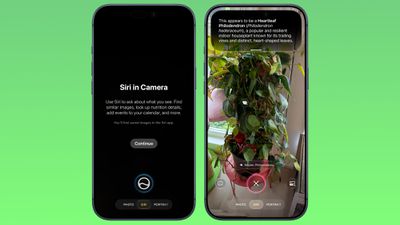
The iOS 27 Camera app has a new "Siri" mode that is available in addition to the video, photo, and other camera modes. The new mode uses Visual Intelligence to identify objects in the frame and provide information about them. It can be used to identify plants, animals, food, and more. If it's food you want info on, for example, it can tell you what it is, and how many calories are in it.
Other examples Siri mode can be used for include capturing a photo of an event flyer and adding a date to the Calendar app, text translation, splitting a bill, and more.
Make Your Lock Screen Clock More Compact
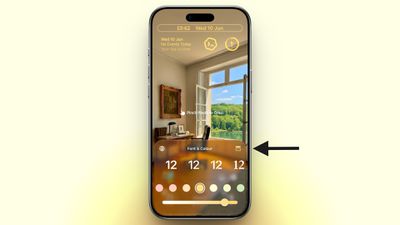
A new compact clock mode is available as a new Lock Screen layout option in iOS 27. Found in the top-right corner of the Font & Color panel, the option moves the time from its traditional large, centered position to a much smaller format alongside the date and widgets at the top of the screen. It's a nice option to have if you like a cleaner Lock Screen look that shows off your wallpaper more fully, and it's the complete opposite effect introduced in iOS 26 that stretches the clock down the screen.
Generate Photo-realistic Images with Image Playground

Apple's Image Playground has been a bit of an embarrassment up until now, being limited to cutesy re-renderings of actual photos and sketched illustrations. But the app gets a major update in iOS 27. Powered by a new generative model that runs on Private Cloud Compute, it can produce high-quality images in virtually any style, including photo-realistic output for the first time. All generated images automatically carry a hidden SynthID watermark to identify them as AI-generated. The app now also supports photo-based editing in addition to creation.
Tweak Liquid Glass Opacity
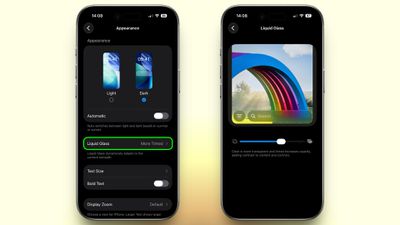
If Apple's Liquid Glass UI embrace in iOS 26 wasn't your thing, there's a way to tone it down. In iOS 27, Apple added a full Liquid Glass slider under Settings ➝ Appearance ➝ Liquid Glass. It changes the translucency of Liquid Glass elements, and you can choose a clear version of Liquid Glass that allows some of the background to show through, select a more opaque, tinted version that improves the legibility of text, or choose something in between.
Create a Slideshow from Any Album
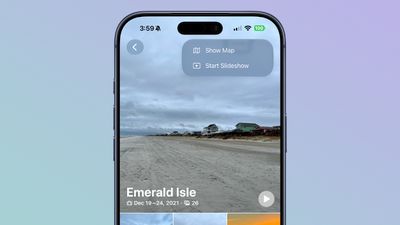
In iOS 27, you can create a slideshow from any album, collection, or selection of photos in the Photos app, rather than being limited to Memories. Open an album or select multiple photos, tap the menu button in the top-right corner, and choose Start Slideshow. Slideshows can be customized with different transition styles, slide durations, and background music, and then saved as a video or shared directly to social media.
Easily Switch Between Siri and ChatGPT
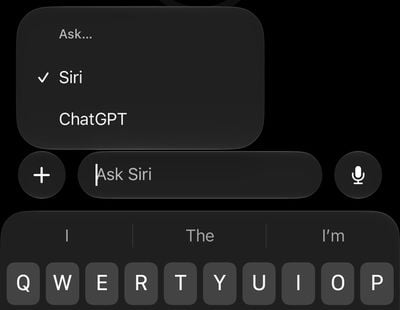
The new Siri app in iOS 27 defaults to the new Siri AI, but you can switch it to ChatGPT if you prefer. Simply long press on the text input field and tap "Ask...", then you'll see an option to change to ChatGPT. Note that conversation context does not transfer when you switch chatbot providers. Currently, ChatGPT appears as an alternative in the Siri AI app whether or not you have the ChatGPT extension enabled in Settings ➝ Siri ➝ ChatGPT.
Build a Browser Extension With a Prompt
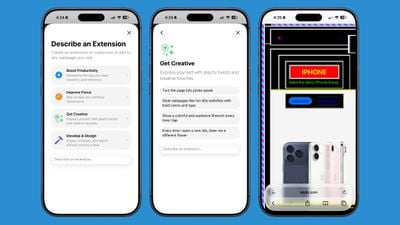
Safari has been given a new AI-powered extension creation feature. A new Create an Extension option, available from Safari's menu to the left of the address bar, lets you describe what you want an extension to do in plain language, and Apple generates it for you. If you need inspiration, Apple also provides suggested ideas across categories including Boost Productivity, Improve Focus, Get Creative, and Develop and Design.
Get AI Summaries of HomeKit Camera Footage (iCloud+ Only)
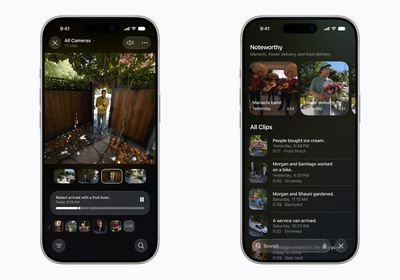
The Home app is now able to generate written summaries for motion alerts from HomeKit Secure Video cameras. It's also able to group footage from separate cameras for an overview of activity and pull out noteworthy recordings, plus it supports natural language search. Bear in mind that this feature is only available if you have an iCloud+ plan with at least 2TB of storage (that's a $9.99/month subscription).
Equalize Your AirPods
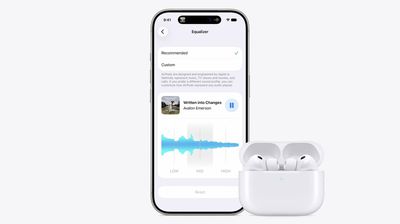
With iOS 27, Apple finally introduces adjustable EQ controls for compatible AirPods models. With your AirPods paired and the latest firmware installed, you can go to Settings ➝ [Your AirPods] ➝ Audio & Routing ➝ Equalizer ➝ Custom to adjust the lows, mids, and highs. Custom EQ is available on AirPods with Apple's H2 chip, including AirPods Pro 2, AirPods Pro 3, AirPods 4, and AirPods Max 2.
Customize Siri's Voice
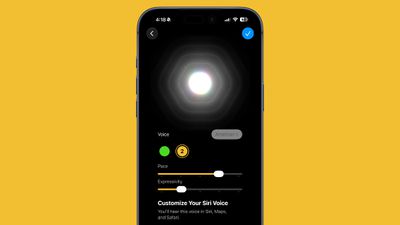
Apple has introduced a more powerful on-device Apple Intelligence model for the iPhone 17 Pro, iPhone 17 Pro Max, and iPhone Air. The upgraded model can understand and generate speech, as well as interpret text and images, enabling a more natural and responsive Siri experience. It also unlocks new voice customization options that let you adjust Siri's expressiveness and speaking pace to suit your preferences.
Rate Your Photos
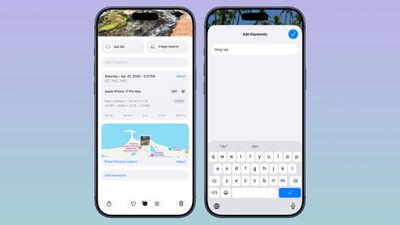
Apple now lets you assign one- to five-star ratings and keywords to photos and videos in the Photos app, making it easier to organize and filter your library. To go with the new feature, Apple has added a Show Rating Controls option to the Photos section of the Settings app. When enabled, it displays star ratings on photos and videos and adds rating badges to thumbnails, ensuring that your highest-rated media is easy to spot at a glance.
Ask Questions About Your Surroundings
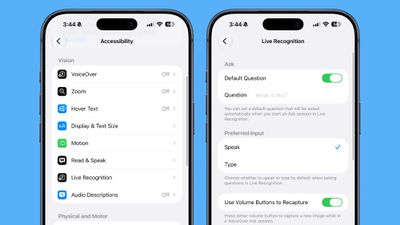
In Accessibility, Apple has added a new Live Recognition section. Powered by on-device intelligence, Live Recognition uses the iPhone's camera to identify and describe people, objects, and surroundings in real time. It can also answer questions about what it sees, with the option to set a default prompt for quick access.
Auto-Update Your Weak Passwords
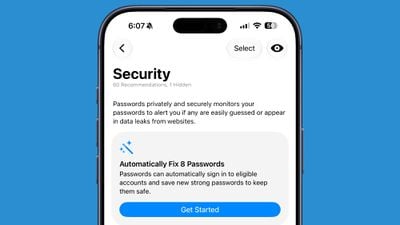
If you use Apple's Passwords app, there's a new feature that uses Safari to automatically change weak and compromised passwords for you. The feature uses Apple Intelligence to automatically navigate to eligible websites, sign in, and update your password with a tap.
Save a Still From a Video
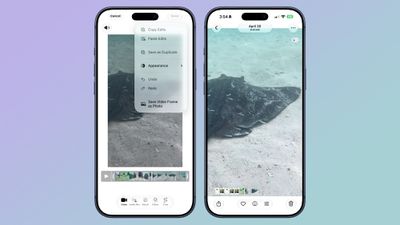
The Photos app in iOS 27 lets you pull a single frame out of a video and save it as its own photo. So you no longer have to rely on the old workaround of pausing playback, taking a screenshot, and cropping out the scrubber. The frame is subsequently saved in your library as a normal image, ready to edit or share just like any other shot.
Give Your Alarms Their Own Volume
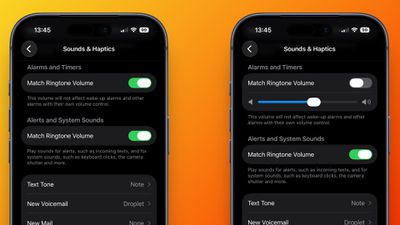
In iOS 27, Settings ➝ Sounds & Haptics gains an Alarms and Timers section with a "Match Ringtone Volume" toggle. Switch it off and a dedicated slider appears, so you can drop the ringer to nothing overnight and still get woken at the volume you chose. Apple's own note under the slider says it won't override wake-up alarms or other alarms that carry their own volume control.
Share Your Location for as Long as You Want
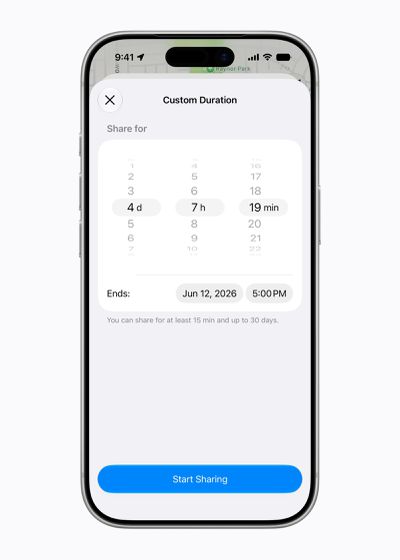
In iOS 26, sharing your location in Find My involves choosing from three presets: one hour, until end of day, or indefinitely. By contrast, iOS 27 adds custom durations – four days and six hours, for example. Alternatively, you can enter an exact date and time for sharing to expire. You can also pause sharing with specific people until the end of the day, without them being informed.
Show Both Camera Views on a FaceTime Call

FaceTime has a Dual Capture option in iOS 27. On the iPhone 17 models and the iPhone Air, you can use the front and back cameras at the same time while on a FaceTime call. The person you're calling is able to see your face and what's shown through the back camera. You can turn on Dual Capture on a supported iPhone by tapping on the camera flip button. If you only want to show the back camera feed, you can tap to turn off the front camera view.
Draw in Messages
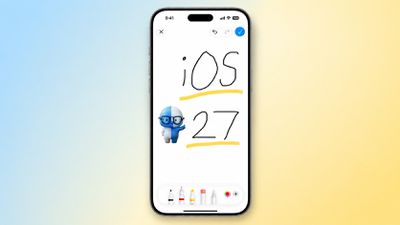
You can now drawing in the Messages app to send little sketches and notes. It's available when tapping on the "+" button next to the text bar in a conversation. The drawing interface is the same as the Markup tool available in apps like Photos and Notes. There's a marker, a pen, a highlighter, and an eraser, plus options to use the tools in any color.
Get Notified About a Webpage Change

Apple's new version of Safari browser in macOS 27 and iOS 27 can be tasked to monitor a webpage and notify you of any changes. With "Notify Me," Safari can keep checking a website on your behalf – such as a product you've been watching for when it comes back in stock – and alert you when a change occurs.
Reframe a Photo
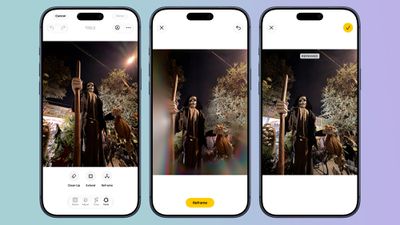
A new Reframe feature in Photos can change the perspective of a photo and make adjustments to the angle of a person or object. It uses the spatial information the iPhone gathers when a photo is taken, and combines it with AI to change the angle of the camera in post-processing. The spatial data is used for adjusting the subject of the image, and then AI fills in any pixels that are missing.
Get Spending Insights in Wallet
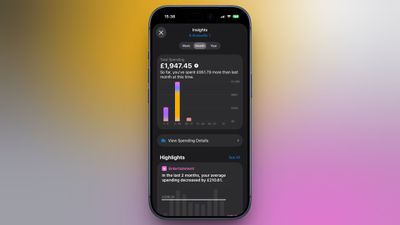
A new "Insights" feature in the Wallet app lets you add different Connected Accounts to monitor your spending. Accessed by tapping the three dots in the top right corner, the feature displays your spending highlights, trends, and other details. Note that Connected Accounts integration is dependent on your bank offering the feature, and currently it has broader support in the U.K. than in the U.S.
Get Context When on a Call
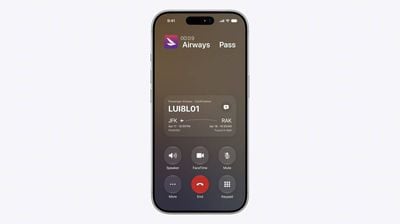
When you're on a phone call to a business, a new feature called "Call Context" proactively surfaces relevant information. If you call an airline to change a flight, for example, the Phone app can automatically find the relevant confirmation code or reservation number from Mail and display it during the call. Apple says Call Context looks only at who the user is calling and not at the call audio itself. The feature runs entirely on device, meaning no data is shared with Apple or any third party.
Learn What's Trending Around You in Maps
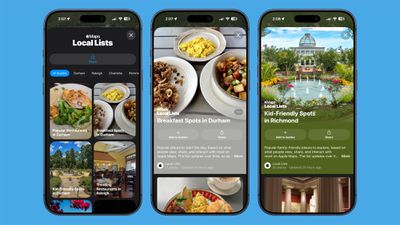
In Maps, a new Local Lists section uses intelligent insights from what's trending around you for suggestions on places you should visit. Maps surfaces locally relevant collections of places to make it easier to find popular and interesting locations. Apple says Local Lists is privacy-focused and does not use information tied to individual users. Note that this feature is only available in the U.S.
Write With Siri Anywhere You Type
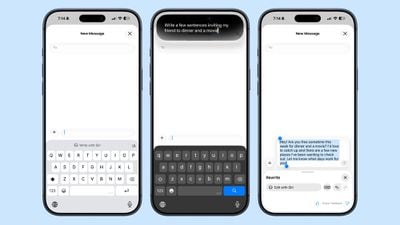
Siri's Writing Tools have been broadened to work across the system in iOS 27. You can ask Siri to draft something from scratch, shorten it, turn bullet points into prose, or change the tone of an email to something more formal. In Mail and Messages, Siri also mimics your writing style, and Smart Replies are configured to match it. There's also automatic proofreading for spelling and grammar as you type.
Ask Siri About Whatever's on Your Screen

Onscreen awareness means Siri knows what you're looking at without you having to describe it. You can select text or long press an image in any app, then ask Siri about the selection. It can summarize text, translate menus, tell you where a photo taken, and explain what a chart shows. It works in third-party apps too.
Put Siri to Work in Your Inbox
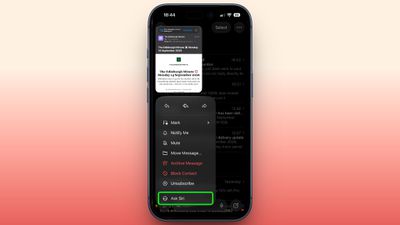
Long press an email and a built-in Ask Siri option will appear. From there, you can ask Siri to summarize the message, pull out a flight number, track a package, or save an attached photo. It can also carry out tasks, like deleting every email from a particular sender or moving details into your Reminders list. Swipe down on the response and you can ask follow-ups. And the whole exchange gets logged in the Siri app.
Swipe Down for Search or Ask
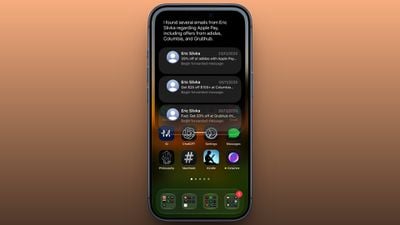
Spotlight, as you know it, is gone in iOS 27. Swiping down from the middle of the Home Screen now opens Search or Ask, where you can type or speak to Siri. Apple rebuilt the underlying search index at the same time, so returned results are more current. Meanwhile, Mail search now ranks by relevance and intent rather than date, and shows you up to five top results.
Turn a Paper Ticket Into a Wallet Pass
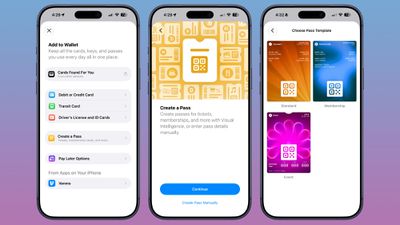
A new Create a Pass option in Wallet lets you digitize physical tickets, membership cards, and coupons that have no app equivalent. Simply point your iPhone's camera at a barcode or QR code and Visual Intelligence will do the rest, or you can add the details manually. Templates cover Standard, Membership, and Event types, and you can choose from 12 background colors, several texture options, and seven themed backgrounds for the likes of theater, music, and sports.
Use One Phone Number on Two iPhones
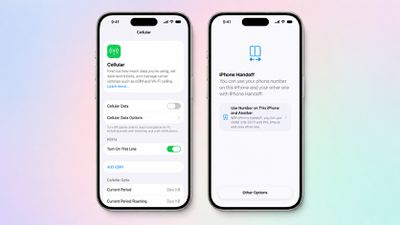
iPhone Handoff is a new feature that lets you use the same number on two iPhones and switch between them, which is super-handy if you keep an older device as a backup. It relies on eSIM and needs carrier support. At launch, that means T-Mobile in the U.S. and Deutsche Telekom in Germany. Note that T-Mobile will charge you $5 a month for the privilege.
Redeem a Gift Card by Tapping It
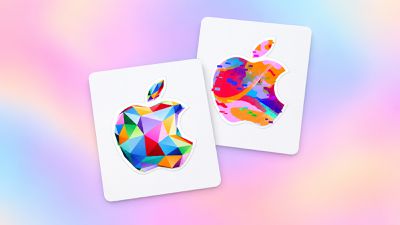
Apple gift cards can be redeemed by holding the card against the back of your iPhone, so you don't need to scan or type in the code. It's a small but nice touch, especially for anyone who has squinted at a 16-character string in the checkout queue.
Let Android Friends Into Your Shared Albums
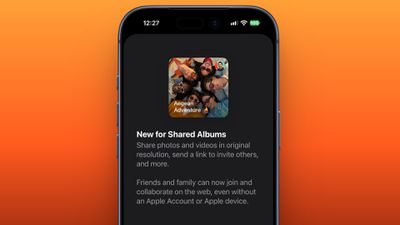
iCloud Shared Albums now accept contributions from Android and Windows users via a web browser, and photos and videos can be added at full resolution in all common formats. Albums can be set to expire after 30 days, filtered by photos or videos, and reacted to with any emoji, and there's an activity log showing who added what. Just be aware that if you own the Shared Album, its contents take up your iCloud storage space.
Find the Photos You Actually Took
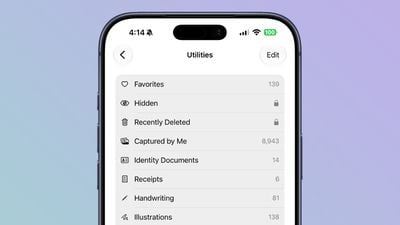
There are two new Utilities folders in the Photos app in iOS 27. Captured by Me gathers every image shot with the Camera app on your current or previous iPhone, while filtering out screenshots, memes, and everything else that finds itself into your library. Elsewhere, Identity Documents collects pictures of passports, licenses, and any of your similar paperwork in one place.
Erase Bigger Things From Your Photos
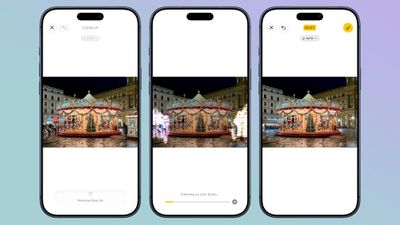
Clean Up has been rebuilt on new models and can reconstruct much more of a background than in previous iOS versions, so it's no longer limited to small blemishes on plain backdrops. It now offers three options: Fast for simple edits, High Quality for busier scenes, and Auto, which lets the Photos app decide.
Give One Widget a Whole Home Screen Page
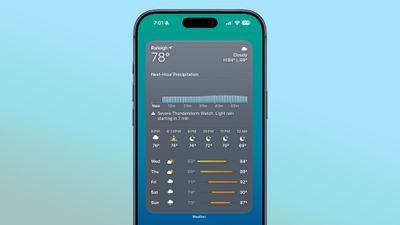
iOS 27 adds an extra-large widget size that fills an entire Home Screen page. Apps that support it include Calendar, Photos, Music, and Weather, with third-party app developers able to add the bumper size too.
Stop Sending Accidental Voice Messages
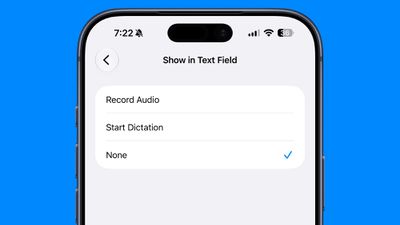
If you've ever fired off three seconds of ambient noise by accident in the Messages app, you can now select which audio button sits at the end of the input field, or get rid of the icon entirely. Go to Settings ➝ Messages ➝ Show in Text Field and set the right-side button to Record Audio, Start Dictation, or None.
Let Failed Messages Resend Themselves
When a message, photo, or video fails to send, your iPhone now retries automatically instead of slapping a red exclamation mark next to it. Sending a large attachment on a weak connection no longer holds up the rest of the conversation either, since each item gets its own progress bar. Notifications for tapback responses are consolidated too, which spares you multiple alerts every time a group thread gives you a collective thumbs-up.
Redo a Genmoji Without Starting Over
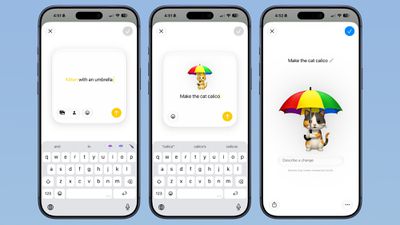
Genmoji creation has been overhauled in iOS 27, and now you can start from an existing emoji, a photo, or a person, then use a "Describe a Change" interface to adjust individual elements rather than regenerating them from scratch. Each tweak builds on the previous version, and a style option lets you swap the default 3D cartoon look for something closer to a sketch or drawing.
Pair Your iPhone With a Treadmill
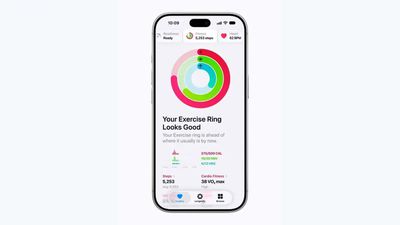
GymKit has finally come to the iPhone. Gym equipment that supports it, like treadmills and indoor bikes, can now pair directly with your iPhone for two-way data syncing. The feature previously required an Apple Watch.
Track Perimenopause in the Health App
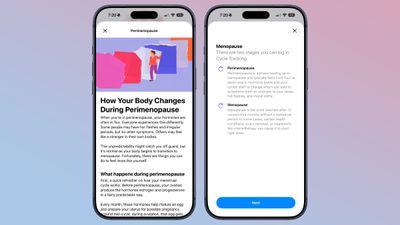
Cycle Tracking has been expanded to cover perimenopause and menopause, and the Health app will send a notification when your logged cycle patterns suggest perimenopause. Apple has also added matching Fitness+ workouts, while the Browse section has been redesigned around cards instead of a long list.
See Rain and Wind Hour by Hour
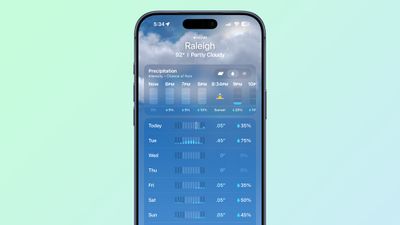
The Weather app now opens with a new Highlights section covering what you need to know for the day. Below that, the Conditions view can be toggled between temperature, precipitation, and wind, while the 10-day forecast changes to match, so you can the chances of rain for the week without tapping into anything.
Watch Video in CarPlay While You're Parked

CarPlay apps can now offer video browsing and playback, but only while the car is stationary, as it should be. If you start driving mid-episode, playback automatically drops to audio only. iPhone apps that support AirPlay can stream to the car display as well, but that requires automakers to enable it, and none have said they will yet.
Approve Every Website Your Child Visits
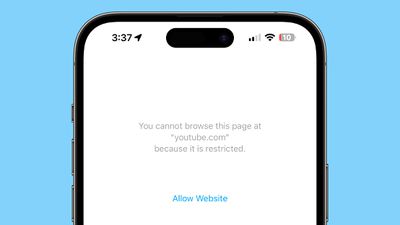
Apple in iOS 27 has substantially reworked Parental Controls. Ask to Browse now requires your sign-off on each new website a child opens in Safari, joining Ask to Buy for app downloads and a new setting that requires permission before a child contacts someone new. Time Allowances cap daily use of Entertainment, Games, and Social Media apps with age-based suggestions, Daily Schedules control which apps are available when, and a redesigned Screen Time shows usage at a glance. Lastly, Communication Safety now blurs gore and violence as well as nudity for under-18s.
Notice Your Old iPhone Getting Faster
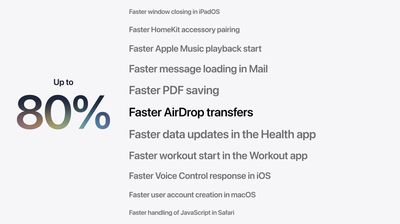
Apple put a lot of effort into maximizing iPhone performance in iOS 27, and its work in this area reaches all the way back to the iPhone 11. Apple says apps launch up to 30 percent faster, AirDrop transfers are up to 80 percent quicker, and new captures appear in a 50,000-photo library up to 70 percent faster. The CPU scheduler has also been reworked, while the emoji keyboard no longer pauses before it appears, and the Camera app opens faster in Low Power Mode. If that's not enough, the iPhone is also better at judging when to switch between Wi-Fi and cellular.





 The rumor that never ends: