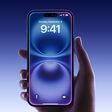
Apple is working on "the biggest set of iPhone revamps in the product's history," according to the latest word from Bloomberg's Mark Gurman.
Specifically, he is referring to the long-rumored foldable iPhone, as well as an ambitious 20th-anniversary iPhone with a truly "edge-to-edge" design.
In an in-depth profile of Apple's hardware engineering chief John Ternus, who is widely considered to be the leading candidate to become Apple's next CEO whenever Tim Cook steps down, Gurman said Ternus is "overseeing the biggest set of iPhone revamps in the product's history, including a foldable model this year and a version with an edge-to-edge screen that could arrive as early as 2027, for the device's 20th anniversary."
Apple is expected to unveil the foldable iPhone in September this year, while the 20th-anniversary iPhone would debut next year, if such a device materializes. Apple unveiled the original iPhone in January 2007, so the iconic device turns 20 next year.
Given the article was focused on Ternus, it did not provide any further details about these iPhone models, but there are already plenty of rumors.
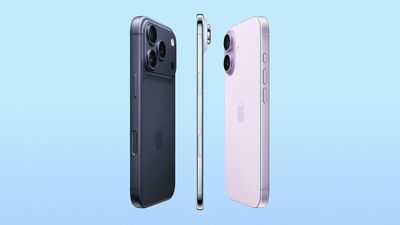
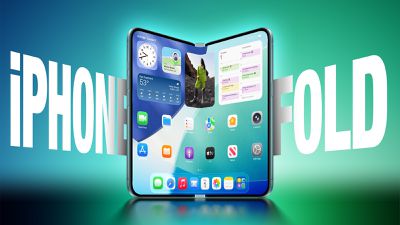
Like Samsung's Galaxy Z Fold 7, the foldable iPhone will open up like a book, providing users with a large screen for watching videos, playing games, and multitasking. iOS 27 is expected to be optimized for the foldable iPhone, allowing for side-by-side apps.
Apple supply chain analyst Ming-Chi Kuo expects the foldable iPhone to have two rear cameras, one front camera, and a Touch ID power button instead of Face ID.
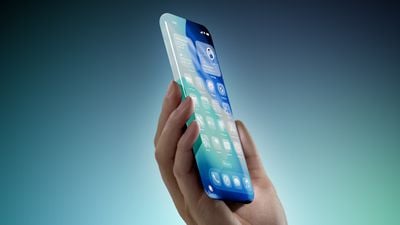
As for the 20th-anniversary iPhone, previous reports have indicated that the device will have a seamless design, with a curved glass enclosure and no cutouts in the display. To achieve this, the front camera would be located under the screen.
It is unclear if Apple will be able to pull off such a device by next year, but if it does, then it truly would be a big two years ahead for the iPhone.
Apple considered launching a HomePod with a camera and additional sensors years before the upcoming "HomePad" device, Bloomberg's Mark Gurman reports.
In a detailed profile of Apple's hardware engineering chief John Ternus, Gurman revealed that Apple considered adding a camera and a more advanced array of sensors to the original HomePod, which was announced in 2017. Ternus apparently believed that the additional capabilities would push up development costs and decided to cancel the features as a result.
Ternus was said to be reluctant to invest deeply in smart home devices when the first leading products from Amazon and Google arrived on the market around a decade ago. He subsequently took "some responsibility" for Apple falling behind in the smart home category.
Now, Ternus is leading Apple's efforts to re-establish itself in the smart home market with three new products, including an AI-powered smart home hub with facial recognition (J490), a small sensor for managing home security (J450), and a robotic device (J595). The smart home hub, dubbed "HomePad" in some reports, is expected to launch in the fall of 2026.
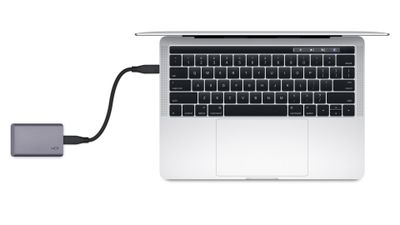
Apple last week hiked the prices of external hard drives sold through its online store and retail locations, as noted by Bloomberg's Mark Gurman.
Writing in his latest Power On newsletter, Gurman said that Apple updated the pricing on several external drive offerings recently, and the increases are steep. For example, a SanDisk 4TB solid-state external drive that previously sold for around $500 now costs $1,200, while a 1TB model has jumped from $120 to $360.
The price hikes are said to be indirectly caused by the AI-fueled demand for memory and storage chips, which is continuing to squeeze the consumer market. Gurman noted that it is vendors who set the pricing on third-party accessories, rather than Apple. However, the impact on buyers is the same regardless.
It's not just a pricing issue either. External drives on Apple's online store are largely sold out, with most models showing no availability for delivery or in-store pickup. Shoppers at physical Apple Store locations may still find stock, but at the same inflated prices. Similar shortages and hikes can be found at Best Buy, Amazon, and other retailers.
The shortage stems from the same supply crunch that forced Apple to raise MacBook Air and MacBook Pro prices by $100 earlier this month. Its removal of the Mac Studio's top 512GB RAM memory upgrade was also likely related. As things stand, AI data center build-outs are consuming enormous quantities of NAND flash and memory chips, and manufacturers are prioritizing those lucrative enterprise contracts over consumer products. As Gurman notes, the situation is likely to get worse throughout 2026 – and possible beyond.
Apple's upcoming foldable iPhone will use a dual-layer ultra-thin glass structure to reduce display crease visibility, a new supply chain rumor suggests.
According to Weibo-based leaker Digital Chat Station, Apple's first book-style foldable will feature two layers of ultra-thin glass (UTG) or ultra-thin flexible glass (UFG), with the display sandwiched between them, isolating it from direct contact with the hinge. The arrangement is designed to spread mechanical stress across multiple layers rather than concentrating it on a single sheet, which could improve durability and reduce visible creasing over time.
The approach would be a departure from most current foldables, which typically use a single UTG layer that must simultaneously handle bending forces and protect the display underneath. Decoupling the display from the hinge mechanism could also help Apple meet its reported goal of making the crease almost imperceptible – though more recent reports have pushed back on past "crease-free" claims.
As we reported in December, Apple has been testing next-generation UFG with variable thickness, with a thinner layer at the fold for flexibility, and a thicker layer elsewhere for rigidity. The latest rumor suggests Apple has developed a composite glass stack rather than relying on a single panel alone.
The foldable iPhone is expected to launch later in September alongside the iPhone 18 Pro lineup, although recently one analyst claimed the device could be released closer to December.
The device is expected to feature an approximately 5.3- to 5.5-inch outer display and a 7.8-inch inner screen. It will reportedly use liquid metal hinges to achieve a virtually crease-free display and is expected to be priced between $2,000 and $2,500, making it Apple's most expensive iPhone ever.
AirDrop support is coming to Samsung's Quick Share feature on Galaxy S26 devices this week, allowing owners to directly share files and media with iPhones and Macs.
In a Sunday newsroom announcement, Samsung said the rollout is starting today in Korea, with devices in the U.S. to follow later this week. The feature will expand to more regions and on more Galaxy devices at a later date, including Canada, Latin America, Europe, Southeast Asia, Hong Kong, Japan, and Taiwan.
Owners of Galaxy S26, S26 Plus, and S26 Ultra devices will need to enable the feature in their phone's Quick Share settings menu, using a new Share with Apple devices toggle.
Last November, Google announced Quick Share compatibility with AirDrop on Pixel phones. The feature was initially limited to the newest Pixel 10 devices, but has since been expanded to the Pixel 9, Pixel 9 Pro, Pixel 9 Pro XL, and Pixel 9 Pro Fold.
The report did not offer any further details about the celebration, but our best guess is that it will take place under the rainbow arches in the middle of Apple Park. Apple turns 50 on April 1, so the party will likely take place soon. It is unclear if the celebration will be limited to Apple's employees, or if there will be a public component involving the Apple Park Visitor Center. In any case, selected members of the press may be invited.
Apple kicked off its 50th anniversary celebrations with a surprise Alicia Keys performance at its Grand Central store in New York earlier this month, and it has since hosted similar events in China, South Korea, and Thailand. Apple is planning to host additional celebrations in Australia, Canada, France, and the UK over the coming days.
MacRumors has been invited to attend one of Apple's 50th-anniversary celebrations in London this week, but we are keeping specific details under wraps in order to avoid spoiling Apple's surprise. Stay tuned for our coverage of the event.
In an in-depth article for Bloomberg Businessweek today, Mark Gurman profiled Apple's hardware engineering chief John Ternus, who is widely viewed as the leading candidate to become Apple's next CEO whenever Tim Cook decides to step down.
The article is very long, so we recommend reading it in full, but a few of the key takeaways are that Ternus is apparently "well-liked among Apple's leadership" and helped with "reversing a trend of declining product quality" at the company.
"Since getting the top hardware engineering role in 2021, he's overseen an expansion in Apple's product lineup, improving quality and focusing on functional improvements around battery life, performance and connectivity," wrote Gurman.
However, the article said Ternus has "been criticized for not doing as much as previous hardware chiefs to implement breakthrough technologies."
That might change in the foreseeable future, as the article said Ternus is leading work on several new AI-powered devices, including smart glasses, AirPods with cameras, and a wearable pendant. He has also championed development of a "nearly 20-inch-wide foldable iPad" that could be a laptop-tablet hybrid, according to Gurman.
In addition, the profile revealed that Ternus is overseeing development of "the biggest set of iPhone revamps" in the product's history.
Cook reportedly gave oversight of Apple's design teams to Ternus at the end of last year, and Ternus has been making a lot more public appearances in interviews and in product introduction videos over the past few years. The profile provides a closer look at how Ternus has risen to become the frontrunner to succeed Cook eventually.
Ternus is a product person, whereas Cook is known for his excellent supply chain management.
Cook has not shared his retirement plans with even some of his closest lieutenants, according to the report, so it is unclear when he plans to step down. Cook has served as Apple's CEO since 2011, and he reached the common retirement age of 65 last year. In a recent interview, he vaguely said "I can't imagine life without Apple."
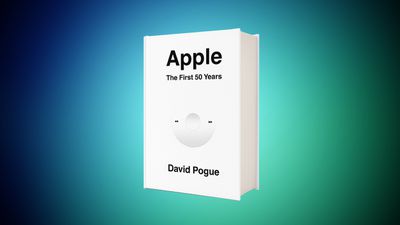
Last week, tech columnist David Pogue launched a new book called "Apple: The First 50 Years." On Amazon, you can get the new book for $34.78 in hardcover, down from $50.00, the best price we've seen so far on the book.
Note: MacRumors is an affiliate partner with Amazon. When you click a link and make a purchase, we may receive a small payment, which helps us keep the site running.
The book explores the first five decades of Apple's history, including interviews with 150 key people who shaped Apple into what it is today, like Steve Wozniak, John Sculley, Jony Ive, and more. The book is launching to coincide with Apple's upcoming 50th anniversary on April 1, 2026.
Amazon's sale is on the hardcover version of the book, and provides an estimated March 27 delivery date for free delivery. If you're on the hunt for more discounts, be sure to visit our Apple Deals roundup where we recap the best Apple-related bargains of the past week.
Deals Newsletter
Interested in hearing more about the best deals you can find in 2026? Sign up for our Deals Newsletter and we'll keep you updated so you don't miss the biggest deals of the season!
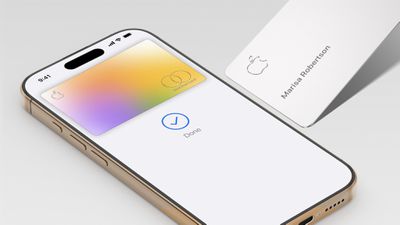
Now through May 20, you can get 5% Daily Cash when you use the Apple Card via Apple Pay for purchases at Walgreens and Duane Reade, both in stores and online.
5% Daily Cash is limited to $500 in combined Walgreens and Duane Reade purchases, meaning that the maximum cash back that you can receive from this offer is $25.
Ordinarily, the Apple Card offers 3% Daily Cash for Walgreens and Duane Reade purchases.
Apple's credit card is available in the U.S. only.
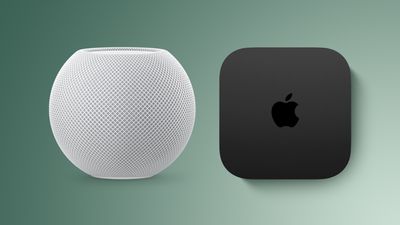
In his Power On newsletter today, Bloomberg's Mark Gurman said new versions of the Apple TV and HomePod mini have been "ready" since last year, but he reiterated that Apple has held off on releasing them until the more personalized version of Siri and other Apple Intelligence upgrades are released later this year.
Inventory of the Apple TV, HomePod mini, and full-sized HomePod is once again "running low" at Apple's retail stores around the world, according to Gurman, but it is unclear if this means anything since the revamped Siri has yet to debut.
Gurman previously reported that Apple was aiming to release the personalized Siri features in either iOS 26.5 or iOS 27. The first developer beta of iOS 26.5 could be available in late March or early April, so at least some of the Siri upgrades might be just a week or two away, unless they are entirely held back until iOS 27 debuts in June.
Accordingly, if the new Apple TV and HomePod mini models remain tied to the Siri upgrades arriving in iOS 26.5 or iOS 27, then Apple should announce the devices at any point between late March and the end of September this year.
Earlier rumors claimed the next Apple TV would be equipped with the A17 Pro chip, which is the oldest chip that supports Apple Intelligence. The device is also expected to feature Apple's N1 chip for Wi-Fi 7, Bluetooth 6, and Thread.
As for the HomePod mini, it is expected to use an Apple Watch's S9 chip or newer, but it is not entirely clear how that chip would be capable enough to support the revamped Siri powered by Apple Intelligence. Other rumored features include the N1 chip, improved sound quality, a newer Ultra Wideband chip, and a red color option.
It has been a busy March for Apple, which has unveiled more than 10 products and accessories this month. However, aside from the all-new MacBook Neo and Studio Display XDR, the devices received faster chips or new colors and little else.
The new products include an iPhone 17e, iPad Air models with the M4 chip, MacBook Air models with the M5 chip, MacBook Pro models with M5 Pro and M5 Max chips, the all-new MacBook Neo, an updated Studio Display, a higher-end Studio Display XDR, AirPods Max 2, and the Nike Powerbeats Pro 2. The new accessories include iPhone cases, Apple Watch bands, and the iPhone's Crossbody Strap in a range of fresh color options like Bright Guava, Vanilla, Soft Pink, Clementine, and/or Electric Lavender.
iPhone 17e features the same overall design as the iPhone 16e, but it gains Apple's A19 chip, MagSafe for magnetic wireless charging and magnetic accessories, Apple's second-generation C1X modem for faster 5G, and a doubled 256GB of base storage. In the U.S., the iPhone 17e starts at $599, just like the iPhone 16e did.
The new iPad Air's key upgrades include Apple's M4 chip, an increased 12GB of RAM, Apple's N1 chip with Wi-Fi 7 support, and the C1X modem in cellular models.
The MacBook Air received a faster M5 chip, and a doubled 512GB of base storage, but the starting price increased from $999 to $1,099 as a result of a 256GB configuration being dropped. With the N1 chip, the MacBook Air now has Wi-Fi 7 and Bluetooth 6, and it now comes with Apple's 40W Dynamic Power Adapter with 60W Max.
The higher-end 14-inch and 16-inch MacBook Pro models finally received M5 Pro and M5 Max chips, plus up to twice as fast SSD speeds and a doubled 1TB of base storage. Battery life has increased slightly across all of the models, and the N1 chip extends to the MacBook Pro line now for Wi-Fi 7 and Bluetooth 6 support.
The regular Studio Display gained Thunderbolt 5 support and improved speakers, and the camera now supports Desk View. There is also an all-new, higher-end Studio Display XDR that gained all of those benefits, plus bigger improvements such as a 120Hz refresh rate, mini-LED backlighting, increased brightness, and more.
The colorful new MacBook Neo starts at just $599 in the United States, and at an even lower $499 for college students. Available in Blush, Citrus, Indigo, and Silver, the MacBook Neo is powered by the A18 Pro chip from the iPhone, and it is equipped with a 13-inch display, up to 512GB of storage, and a non-configurable 8GB of RAM.
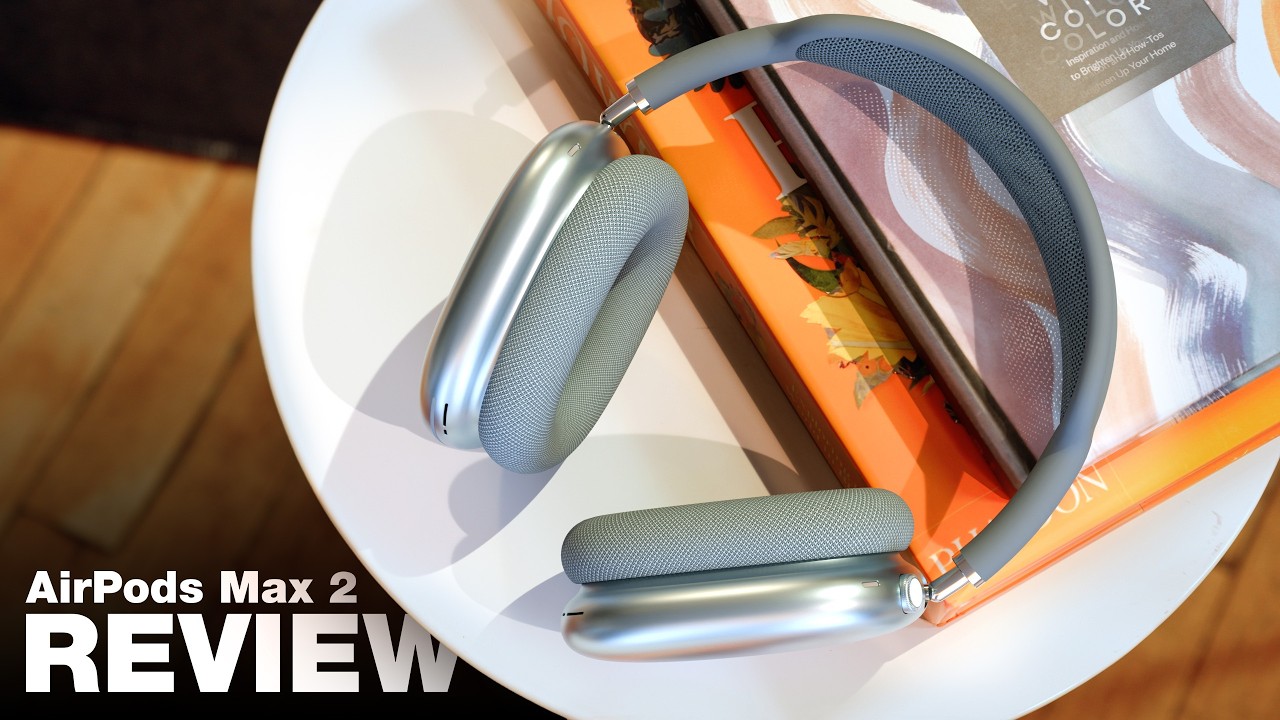
AirPods Max 2 have a handful of upgrades over the previous AirPods Max, including Apple's H2 chip, increased active noise cancellation, improved sound quality, and features such as Adaptive Audio, Conversation Awareness, Voice Isolation, and Live Translation. Plus, the Digital Crown has a new Camera Remote function.
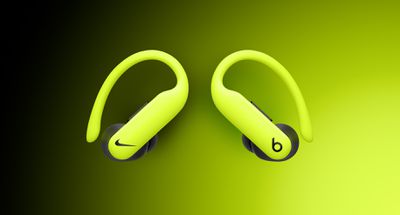
The special-edition Nike Powerbeats Pro 2 are the same as the regular Powerbeats Pro 2, except they have a two-tone design consisting of black and Nike's signature Volt neon green-yellow color. The earbuds have both Nike and Beats logos.
All of the products and accessories listed above have been released, except for the AirPods Max 2, which are available to pre-order starting Wednesday, March 25.
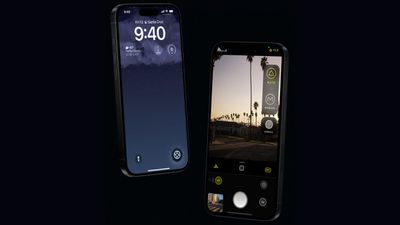
Apple's plans to enhance the iPhone 18 Pro's Camera app led it to consider acquiring Halide, but the talks ultimately collapsed and were followed by a fierce legal dispute between the startup's co-founders, according to The Information reports.
In the summer of 2025, Apple reportedly held discussions to acquire Lux Optics, the developer behind the popular iPhone camera apps Halide, Kino, and Spectre. The company concluded that it could get a better offer from Apple in the future following updates to the app. Two months after the talks concluded without a deal, Apple set about recruiting Lux's co-founder and designer Sebastian de With.
Lux CEO and co-founder Ben Sandofsky is said to have fired de With in December over financial misconduct. de With announced that he had joined Apple's design team in January.
Sandofsky has now filed a lawsuit in the California Superior Court of Santa Cruz against de With, accusing him of improperly using more than $150,000 in Lux company funds to pay for personal expenses since 2022, as well as providing confidential material and source code from Lux to Apple.
During the discussions to acquire Lux, Apple employees purportedly told the startup that its intellectual property was a major consideration in evaluating the company. Apple apparently wanted to acquire Lux to bolster the built-in Camera app, which is said to be "top priority for the company right now." The iPhone 18 Pro will "match professional-grade cameras in terms of certain advanced features," necessitating an upgrade of the built-in Camera app. Apple is not named as a defendant in the case and it is not accused of any wrongdoing.
de With's legal representatives say that the lawsuit is meritless and deny that he "used, transferred, or disclosed any Lux intellectual property" as part of his new job at Apple. They added that the lawsuit was only filed after de With raised concerns with Sandofsky about financial irregularities at Lux and had requested access to its financial records and payments, suggesting that it was a "retaliatory response to those efforts and an attempt to avoid scrutiny of that conduct."
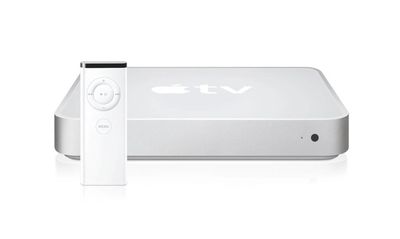
The Apple TV is now almost two decades old amid rumors of the announcement of a new model.
Today marks 19 years Apple launched the original Apple TV. Apple CEO Steve Jobs unveiled the Apple TV at Macworld Expo in January 2007 alongside the original iPhone, but it didn't launch until March.
The Apple TV was initially previewed as the "iTV." The device allowed users to wirelessly stream movies, TV shows, music, and photos from their Mac or PC directly to their TV. Unlike today, there was no App Store or third-party app support, and the experience was centered almost entirely around iTunes-purchased or synced media.
The Apple TV was controlled with a simple Apple Remote and ran a Front Row-style interface designed for navigating iTunes libraries on a TV. It featured a 40GB hard drive for local content storage and supported 720p HD resolution, offering both HDMI and component video output, and was priced at $299.
Apple famously described the Apple TV as a "hobby," reflecting its niche and experimental status within the company at the time. Over subsequent years, Apple slowly repositioned the device over time from a Mac accessory to a standalone streaming device.
In 2010, it dropped the internal hard drive and shifted to a smaller, streaming-focused design. The introduction of tvOS and the App Store in 2015 marked a major turning point, enabling third-party apps and games. Apple later added 4K support in 2017 and continued to iterate with faster chips, culminating in the current model powered by the A15 Bionic chip.
Unlike the original Apple TV, which was primarily designed to stream iTunes content from a Mac or PC, the device now serves as a hub for Apple's services, with integrations for Apple TV+, Apple Arcade, Apple Fitness+, AirPlay, and HomeKit. While competitors such as Roku, Amazon Fire TV, and Google TV devices still dominate the lower end of the market, Apple has continued to position the Apple TV as a premium option with tighter ecosystem integration and more powerful hardware.
Today's Apple TV is the third-generation 4K model from November 2022. A new Apple TV is expected to be announced soon, featuring a faster chip and Apple's custom N1 wireless chip for Wi-Fi and Bluetooth.
Just when you thought Apple was done with product announcements for a little while, this week saw one last drop with the AirPods Max 2 making their appearance.
This week also saw fresh rumors about iOS 27 coming later this year while an iOS 26.4 release looks to be right around the corner, and Apple kicked off a series of events around the world in celebration of the company's upcoming 50th anniversary, so read on below for all the details on these stories and more!
Top Stories
Apple Announces AirPods Max 2 With H2 Chip and More
In a surprise move, Apple this week unveiled AirPods Max 2, with key upgrades including the H2 chip, increased active noise cancellation, improved sound quality, and features such as Adaptive Audio, Conversation Awareness, Voice Isolation, and Live Translation.
AirPods Max 2 will be available to order starting Wednesday, March 25, with a launch to follow sometime in early April.
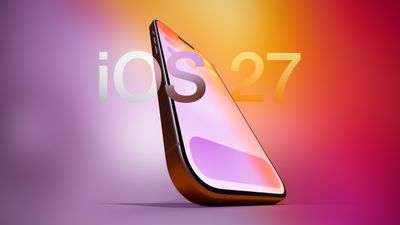
iOS 27 Will Reportedly Be Like Mac OS X Snow Leopard
In his Power On newsletter this week, Bloomberg's Mark Gurman reiterated that iOS 27 will be similar to 2009's Mac OS X Snow Leopard, in the sense that one of Apple's biggest priorities is bug fixes for improved performance and stability.
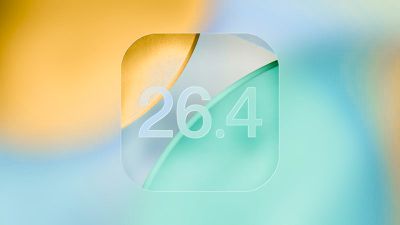
Apple this week seeded the release candidate versions of upcoming iOS 26.4 and related updates to developers and public beta testers, representing the final versions that will be provided to the public if no additional bugs are found.
iOS 26.4 also includes support for AirPods Max 2, so the update will definitely be released by the time those arrive in early April, but the iOS 26.4 public release could come as soon as next week.
iPhone Fold: 5 Things We've Learned About Apple's Foldable
Apple Kicks Off 50th Anniversary With Surprise Alicia Keys Concert in New York
As part of its upcoming 50th anniversary celebration, Apple is hosting gatherings "around the world" throughout the month of March to celebrate human creativity and ingenuity.
The series kicked off with a surprise concert by Alicia Keysat Apple's retail store overlooking the main concourse at New York City's iconic Grand Central Terminal, with MacRumors in attendance for the event.
After a flurry rumors late last year going back and forth about whether his retirement as Apple CEO might be imminent, Tim Cook addressed the rumors in an interview with Good Morning America's Michael Strahan earlier this week.
While Cook referred to the idea as "a rumor," he did not explicitly confirm or deny that he will be stepping down as CEO any time soon, though he did say "I can't imagine life without Apple."
In a separate brief interview with Nikias Molina at the Alicia Keys concert, Cook reiterated that Apple still sees a long life ahead for the iPhone, even as rumors have suggested the company is looking to integrate its technology into other personal devices like augmented-reality glasses and an AI-powered pendant that will be able to gather information from the world around you. "There's so much left that we can do with the iPhone," said Cook. "I think it's going to continue to be the center of people's digital lives."
MacRumors Newsletter
Each week, we publish an email newsletter like this highlighting the top Apple stories, making it a great way to get a bite-sized recap of the week hitting all of the major topics we've covered and tying together related stories for a big-picture view.
Apple saw a 23% year-over-year increase in iPhone sales in China during the first nine weeks of 2026, significantly outperforming a broader market decline driven by weak demand and rising component costs, according to Counterpoint Research.
China smartphone sales apparently fell by 4% year-over-year in the first nine weeks of 2026. Within this environment, Apple emerged as the fastest-growing major vendor, with iPhone sales rising 23% compared to the same period in 2025. Counterpoint attributed Apple's impressive performance partly to a combination of e-commerce discounts and the inclusion of the standard iPhone 17 in government subsidy programs aimed at stimulating consumer electronics purchases.
Counterpoint noted that the rising cost of memory components has been passed on to vendors, forcing several Android brands to adjust pricing strategies. Chinese smartphone makers OPPO and vivo have announced notable price increases for some existing models, with those changes set to take effect this month.
In contrast, Apple has not announced any comparable price increases and is unlikely to follow competitors in raising prices, instead absorbing some of the margin pressure from higher component costs to maintain pricing stability. The firm added that Apple's control over its supply chain leaves it better positioned than rivals to withstand rising memory costs.
Rising memory prices are expected to persist throughout 2026. The research firm expects China's smartphone market to remain under pressure in the coming months, with potential improvement in June driven by the country's mid-year "618" shopping festival. Counterpoint's findings are based on its China Weekly Smartphone Sell-Out Tracker, which monitors retail sales across the market.
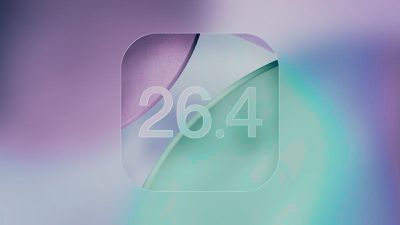
iOS 26.4 isn't the major update with new Siri features that we hoped for, but there are some useful quality of life improvements, and a little bit of fun with an AI playlist generator and new emoji characters.
Playlist Playground - Apple Music has a Playlist Playground option that lets you generate playlists from text-based descriptions. You can include moods, feelings, activities, or make up something entirely nonsensical and let the AI figure out what you mean.
Ambient Music widget - Apple added a widget for the built-in Ambient Music feature in iOS, so it's quicker to play background sounds. You can choose Sleep, Chill, Productivity, and Wellbeing playlists curated by Apple.
Emoji - There are eight new emoji characters including trombone, treasure chest, distorted face, hairy creature, fight cloud, orca, landslide, and ballet dancer.
Reduce Bright Effects - If you dislike Liquid Glass, there's a Reduce Bright Effects setting that cuts down on bright flashes when tapping buttons. Reduce Motion also limits Liquid Glass animations more than it did previously.
Purchase Sharing - Adults in Family Sharing groups no longer have to use the same payment method, and Apple now lets everyone add their own credit or debit card.
CarPlay AI apps - CarPlay users can use third-party chatbots with CarPlay starting in iOS 26.4. Companies like OpenAI, Anthropic, and Google will need to update their apps with CarPlay support, but the framework is in iOS 26.4.
Video Podcasts - The Podcasts app has native video episode support with HLS streaming, along with options to swap between audio and video and offline video downloads.
Average Bedtime - The Sleep feature in the Health app now records average bedtime for the past two weeks to give you a better idea of how your bedtime impacts sleep.
Stolen Device Protection - Stolen Device Protection is now on by default. It thwarts physical theft and access of your iPhone by requiring biometric authentication for things like viewing passwords and turning off Lost Mode on the iPhone. Some features like changing an Apple ID password have a one-hour security delay.
There are other new additions in iOS 26.4, like offline song recognition in Control Center, nearby concert suggestions and full-page album artwork in Apple Music, easier access to subtitle customization options in media apps, and Apple Creator Studio support for Freeform, with details available in our full iOS 26.4 notes article.
Release Date
The iOS 26.4 release candidate is available to developers and public beta testers, and it's likely the update will see an official launch on March 23 or March 24.
Aside from the Nike-focused design, these are the same Powerbeats Pro 2 that were introduced last year, with the signature Powerbeats wraparound earhooks for stability, Active Noise Cancelling with Transparency mode, built-in heart rate monitoring, and up to 45 hours of battery life when tapping into the charging case to recharge.
Powerbeats Pro 2 are essentially a fitness-focused alternative to the AirPods Pro 3.
Nike showed off the headphones in an ad starring NBA superstar LeBron James.
In the U.S., pricing is set at $249.99, in line with the regular Powerbeats Pro 2. Apple is currently showing a March 24 delivery date.






 Note: MacRumors is an affiliate partner with Amazon. When you click a link and make a purchase, we may receive a small payment, which helps us keep the site running.