With Dual 2.0GHz PowerMacs finally trickling down to end users, one person posted PS7Bench Benchmarks from their brand-new PowerMac Dual 2.0GHz Mac with 1GB RAM (with the G5 Photoshop Plugin).
The new results have been added to the previous PS7Bench Benchmark chart which already includes previous results from the PowerMac G5 1.6GHz as well as various PC configurations.
The best results are in red. (see Chart) The PowerMac G5 Dual 2.0GHz results come out to be the fastest in 15/21 of the tests run under PS7Bench.
A normalized PS7Bench score was also calculated and listed in comparison to various other systems in this ArsTechnica thread. The normalized score gives each sub-test equal weight. (More details about calculating normalized scores here.)
The normalized score for the PowerMac G5 2.0GHz comes to 547, which gives it the highest (best) score out of all the other computers in the list, beating out a dual 3GHz Xeon (overclocked).
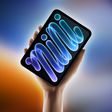
Apple today updated its U.S. trade-in estimates, raising maximum values across the iPad lineup and for most Macs following today's announcement of the new iPad mini.
Every iPad category has gained value, although the increases are relatively modest. The iPad mini and standard iPad both rise by $20, while the iPad Air gains $15 and the iPad Pro increases by $10. The revised maximum estimates...
Owners of Apple's 2019 Mac Pro could repurpose its enclosure for a custom PC using a conversion kit being crowdfunded by Practical Prototyping (via Hackster).
The project comes after Apple discontinued the Mac Pro in March, confirming that it has no plans for future models. For owners of the 2019 Intel-based tower, the conversion offers a potential way to keep using its distinctive...
Sunday November 8, 2026 7:42 am PST by Joe Rossignol
Apple has made a change to its development process for iOS 28, macOS 28, and corresponding software updates, according to Bloomberg's Mark Gurman.
In his Power On newsletter today, he said Apple separates development of each year's new operating systems into three major stages. Typically, he said each stage consists of four weeks of coding followed by a four-week "convergence" period where...