Yesterday, T3.co.uk published a story based on statements from Apple that existing MacBook and MacBook Pro owners might see expanded multitouch trackpad capabilites through a software-only update. The statement, however, was inaccurate and resulted in T3.co.uk pulling the original article.
Apple later clarified to T3.co.uk that the new Multitouch Trackpad is indeed unique to the Air, implying that existing Apple notebook owners should not expect to see these features added:
"MacBook Air features the most advanced trackpad we've ever made, integrating the multi-touch technology from the iPhone. This integrated feature is unique to MacBook Air."
This also correlates with disassembly photos that revealed the MacBook Air incorporates the same multitouch controller as the iPhone, which is not found in previous Apple notebooks.
While existing Apple notebooks do have some multitouch capabilities (two finger scroll, secondary click), Apple introduced 3 new gestures (swipe, pinch/expand, rotate) in the MacBook Air. Apple, of course, is rumored to be adding the new advanced multitouch trackpad to future Macbooks and MacBook Pros.
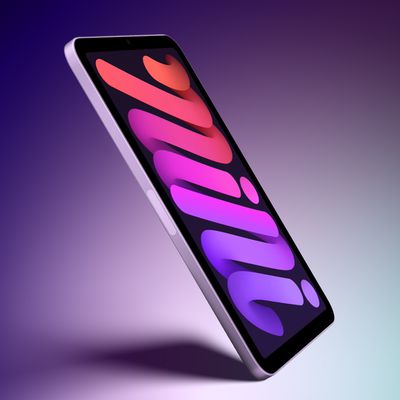
Apple today updated its U.S. trade-in estimates, raising maximum values across the iPad lineup and for most Macs following today's announcement of the new iPad mini.
Every iPad category has gained value, although the increases are relatively modest. The iPad mini and standard iPad both rise by $20, while the iPad Air gains $15 and the iPad Pro increases by $10. The revised maximum estimates...
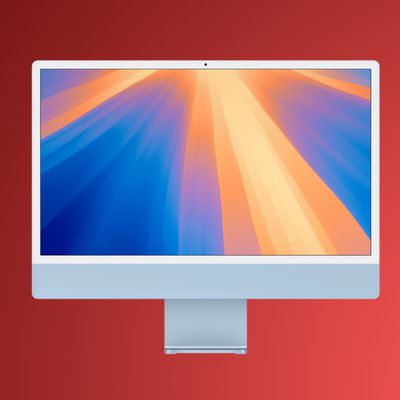
Apple is testing OLED displays for future MacBook Air and iMac models, though both upgrades remain some way off, according to Bloomberg's Mark Gurman in his latest "Power On" newsletter.
The next refreshes of the devices are expected to retain LCD displays. Gurman anticipates a new iMac to arrive this week and a MacBook Air refresh in early 2027, but offered no time frame for either model's...
Sunday November 8, 2026 7:42 am PST by Joe Rossignol
Apple has made a change to its development process for iOS 28, macOS 28, and corresponding software updates, according to Bloomberg's Mark Gurman.
In his Power On newsletter today, he said Apple separates development of each year's new operating systems into three major stages. Typically, he said each stage consists of four weeks of coding followed by a four-week "convergence" period where...