Apple Pay Support Comes to FNB Customers in South Africa
Apple Pay today went live for customers of South African bank FNB, allowing users to add a range of cards to the Wallet app on their iPhone for contactless mobile payments (via MyBroadband).
FNB cards supported on Apple Pay include Premier Fusion, Private Fusion, Private Wealth Credit, Business Debit, and Aspire Debit.
Adding an FNB card to Apple Pay is as easy as opening the Wallet app, tapping the plus button, and following the on-screen instructions. Customers can also update the official FNB app and they'll receive a message suggesting they add their card to Apple Pay.
Apple Pay launched in South Africa in March, with Absa, Discovery Bank, and Nedbank being among the first to adopt support for the digital wallet and mobile payment system. Apple first launched its mobile payment method in 2014 in the United States, and it has seen a gradual rollout around the world as more countries and banks sign up to the system.
Popular Stories
The UK's competition regulator has proposed changes to make it easier and cheaper for companies to offer alternatives to Apple Pay on the iPhone (via Reuters).
The Competition and Markets Authority (CMA) says Apple's fees and restrictions make it too difficult for rivals to launch contactless payment apps. Its proposals would give developers more ways to access the iPhone's NFC technology,...
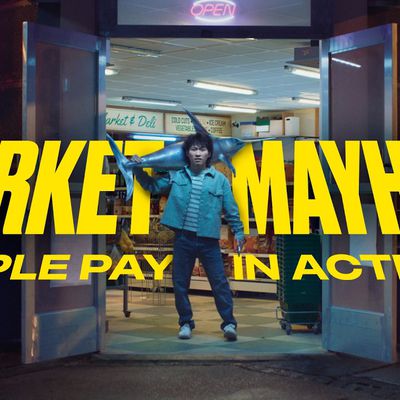
Apple today shared a humorous new Apple Pay ad that promotes the benefit of the on-device payment option over cash and physical cards.
The spot features a martial-arts-style food fight where a man runs into a convenience store to grab a weapon. He's followed by the other combatants, and everyone involved grabs a different food or beverage to fight with.
The cashier makes everyone stop to...
Apple has made a change to its development process for iOS 28, macOS 28, and corresponding software updates, according to Bloomberg's Mark Gurman.
In his Power On newsletter today, he said Apple separates development of each year's new operating systems into three major stages. Typically, he said each stage consists of four weeks of coding followed by a four-week "convergence" period where...